

If you’ve been told you need root canal therapy, you’re probably feeling a little anxious and that’s completely understandable. Many patients picture root canals as something painful and scary. The truth is, modern root canal therapy is a routine dental procedure designed to relieve pain, not cause it.
Understanding exactly what happens during the process can go a long way in easing your worries. Whether you’ve been experiencing a persistent toothache, sensitivity to heat and cold, or swelling around a tooth, root canal therapy in Tumwater may be the solution your dentist recommends.
This guide will walk you through the entire process step by step so you know what to expect before, during, and after your appointment.
Why Would You Need Root Canal Therapy?
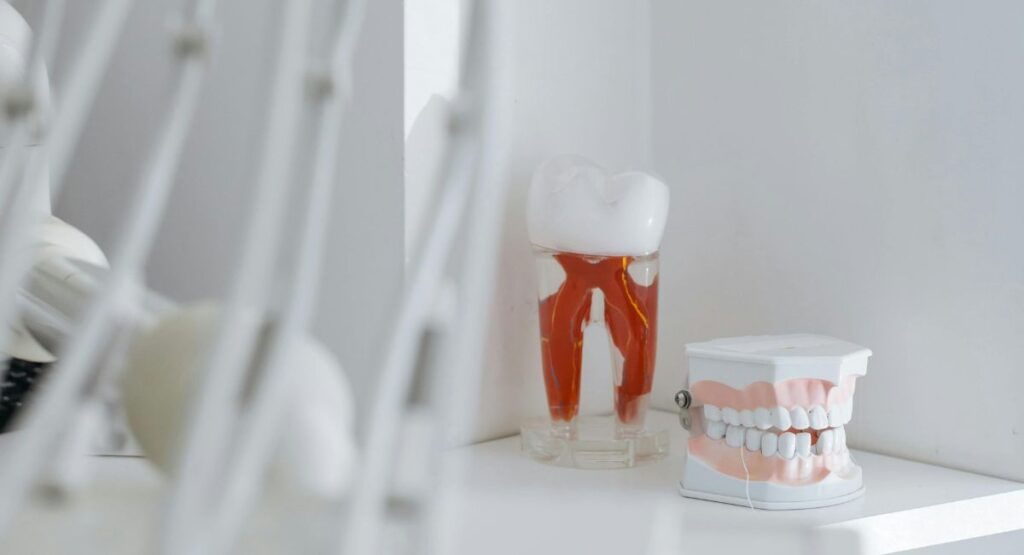
Inside every tooth is a soft layer of tissue called the pulp. This pulp contains nerves, blood vessels, and connective tissue. While it plays an important role during tooth development, it’s not essential for a fully mature tooth to function.
When the pulp becomes infected or inflamed due to deep decay, a cracked tooth, or repeated dental procedures bacteria can begin to multiply inside the tooth. Left untreated, this infection can spread to surrounding bone and tissue, potentially leading to more serious health concerns.
Root canal therapy in Tumwater removes the damaged pulp, cleans and disinfects the inside of the tooth, and seals it to prevent reinfection. The goal is to save your natural tooth rather than extract it.
What Happens During Root Canal Therapy in Tumwater?
Step 1: Examination and X-Rays
Before the procedure begins, your dentist will take X-rays to assess the shape of the root canals and identify any signs of infection in the surrounding bone. This helps them plan the treatment accurately.
You may also be asked about any symptoms you’ve been experiencing, such as pain when biting, prolonged sensitivity, or visible swelling. A thorough examination ensures the right approach is taken for your specific case.
Step 2: Local Anesthesia
One of the most common concerns patients have is whether root canal therapy hurts. Your dentist in Tumwater will administer a local anesthetic to numb the area around the affected tooth. Most patients report feeling little more than the initial injection.
Once the tooth and surrounding tissue are numb, you should feel comfortable throughout the procedure. Many patients are surprised to find that the experience is not much different from getting a routine dental filling.
Step 3: Placing a Dental Dam
To keep the treatment area dry and free from saliva, your dentist will place a thin sheet of rubber called a dental dam around the tooth. This also helps prevent bacteria from contaminating the area during the procedure.
The dental dam is a standard part of root canal treatment and plays an important role in keeping the procedure clean and effective.
Step 4: Accessing the Pulp
Once the area is numb and protected, your dentist will create a small opening in the top of the tooth. This access point allows them to reach the infected pulp inside the root canals.
Using very fine dental instruments, the pulp tissue is carefully removed from each canal. This step eliminates the source of infection and the nerve tissue responsible for pain.
Step 5: Cleaning and Shaping the Canals
After the pulp is removed, the canals are cleaned, shaped, and disinfected using small files and an antibacterial solution. This step is critical to removing all bacteria and debris that could cause reinfection.
Each canal is carefully measured and shaped to prepare for the filling material that will be placed inside. Depending on the complexity of the tooth, this process may take anywhere from 30 minutes to over an hour.
Step 6: Filling and Sealing the Tooth
Once the canals are clean and dry, they are filled with a biocompatible material called gutta-percha. This rubber-like material seals the canals and prevents bacteria from re-entering.
The access opening at the top of the tooth is then sealed with a temporary or permanent filling. In many cases, your dentist will recommend placing a dental crown over the tooth afterward to protect and restore its strength.

What to Expect After Root Canal Therapy
Recovery and Mild Discomfort
It’s normal to experience some tenderness or mild soreness in the treated area for a few days after the procedure. This is typically manageable with over-the-counter pain relievers, and any discomfort usually fades within a week.
Avoid chewing hard foods on the treated side until a permanent restoration is placed. Your dentist will give you specific aftercare instructions to follow.
Returning to Normal Function
Most patients can return to their regular daily activities the day after treatment. The tooth may feel slightly different at first, but with proper restoration, it should function much like your other teeth.
Once a crown is placed over the treated tooth, it can last for many years with good oral hygiene and regular dental checkups.
Frequently Asked Questions
Is root canal therapy painful?
This is one of the most frequently asked questions and the honest answer is no, it shouldn’t be. The procedure is performed under local anesthesia, which effectively numbs the tooth and surrounding tissue. Most patients report that the discomfort they felt before the procedure, from the infection itself, was far worse than the treatment. Any post-procedure soreness is usually mild and temporary.
How long does a root canal procedure take?
The length of a root canal appointment depends on which tooth is being treated and the complexity of the root canal system. Front teeth, which typically have one root canal, may be completed in about 60 minutes. Back teeth, such as molars, have more root canals and may require 90 minutes or more. In some cases, a second appointment may be needed to complete the treatment.
Do I really need a crown after root canal therapy?
In most cases, yes. After root canal therapy, the tooth becomes more brittle because its internal structure has been altered. A dental crown helps protect the tooth from fracture and restores its full chewing function. Your dentist will assess your specific situation and recommend the most appropriate restoration.
What happens if I don’t get a root canal when I need one?
If an infected tooth is left untreated, the infection can spread to surrounding teeth, the jawbone, and even nearby soft tissue. In rare cases, dental infections can become serious health concerns. Treating the problem early with root canal therapy may help you avoid tooth loss and more complex dental issues later on.
Conclusion
Root canal therapy is a well-established dental procedure that can relieve pain, save your natural tooth, and help protect your long-term oral health. Understanding what happens during each step of the process makes it much easier to walk into your appointment feeling informed and prepared.
At Affordable Family Dental, our caring dental team is here to support you every step of the way from your initial consultation through recovery. If you’ve been experiencing tooth pain or sensitivity, don’t wait.
Scheduling an evaluation early may help you avoid more extensive treatment down the road. Reach out to us today to take the next step toward a healthier, more comfortable smile.
Sources:
- https://www.aae.org/patients/root-canal-treatment/what-is-a-root-canal/
- https://my.clevelandclinic.org/health/treatments/21759-root-canal
- https://www.aae.org/patients/root-canal-treatment/what-is-a-root-canal/root-canal-explained/
- https://www.colgate.com/en-in/oral-health/root-canals/illustrations-root-canal-treatment-from-start-to-finish