


A missing tooth rarely feels like an emergency. There may be no constant pain, and you can often continue chewing comfortably on the other side. However, your mouth does not stay unchanged when a tooth is missing. Over time, the jawbone beneath the gap can gradually lose volume, while nearby teeth may shift toward the empty space. These changes can affect your bite, chewing function, and the overall appearance of your smile.
If you’re considering dental implants in Tumwater, understanding what can happen after tooth loss may help you make an informed decision about replacement. Delaying treatment for months or years does not necessarily mean implants are no longer possible, but additional assessment or procedures may sometimes be needed depending on your individual situation.
Whether you lost a tooth recently or several years ago, a dental professional can evaluate your oral health, bone levels, and surrounding teeth to discuss suitable tooth-replacement options.
At a Glance: Delaying Tooth Replacement
- Jawbone loss can begin within a few months of losing a tooth, since the bone no longer gets stimulation from a tooth root.
- Neighboring teeth can start shifting into the gap within weeks, which affects your bite and makes cleaning harder.
- The longer you wait, the more likely you’ll need added steps, like bone grafting, before an implant can be placed.
- Chewing on one side and avoiding certain foods can strain your jaw joint and wear down remaining teeth unevenly.
- Most people are still candidates for a dental implant even years after tooth loss, though the treatment plan may need adjusting.
What Happens to Your Jawbone When You Delay Tooth Replacement?
Your jawbone starts to lose density in the area of a missing tooth because it no longer receives the stimulation that a tooth root provides during chewing. This process, called bone resorption, is gradual but steady, and it doesn’t reverse on its own. The bone in that section of your jaw is essentially “told” it isn’t needed, so your body slowly resorbs it.
Over time, this bone loss can change the shape of the jaw itself. The ridge where the tooth used to be can become thinner and shorter, which is one reason dentists discussing dental implants in Tumwater often bring up timing early rather than later. Bone changes can also affect the surrounding gum tissue and, in more advanced cases, the general contour of the lower face.
This is one of the main reasons early evaluation matters. The sooner your dentist can assess the site, the more predictable the planning tends to be for replacement options, including implants.
How Does a Missing Tooth Affect Your Other Teeth Over Time?
A missing tooth can cause the teeth around it to drift, tilt, or extend into the empty space, sometimes starting within just a few weeks. Teeth are designed to lean on their neighbors for support and alignment. Remove one, and the balance of the whole row can shift.
The tooth directly across from the gap, whether upper or lower, may also begin to erupt further than normal since it no longer meets resistance when you bite down. Teeth on either side of the space can tilt inward, gradually narrowing the gap, and a dentist in Tumwater may see this create new, harder-to-reach areas where plaque can build up.
These shifts don’t just affect appearance. They can also throw off your bite alignment, which sometimes leads to uneven wear on your remaining teeth or discomfort in the jaw joint. Left unaddressed long enough, this crowding and misalignment can make orthodontic treatment necessary before a replacement tooth will fit properly.
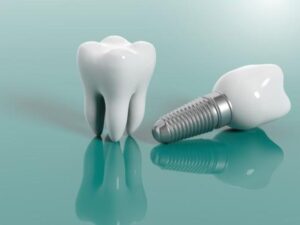
Can Waiting Too Long Make Dental Implants More Difficult?
Yes, waiting years after tooth loss can make implant placement more involved, often requiring additional steps like bone grafting to rebuild a stable foundation. This doesn’t mean an implant is off the table. It usually means your dentist needs to do more preparation first.
According to the ADA’s MouthHealthy resource, a dental implant depends on having enough healthy jawbone and gum tissue to support it, since the implant needs to fuse with the bone through a healing process before it can hold a replacement tooth.
The good news is that bone grafting is a routine and well-established part of modern implant dentistry. It does add time and typically increases the overall cost of treatment, which is part of why many dentists encourage patients not to wait longer than necessary once they know a tooth needs to be replaced.
What Other Oral Health Problems Can Develop From an Untreated Gap?
An untreated gap can increase plaque buildup, raise the risk of gum disease, and affect chewing and speech. Nearby teeth may shift, creating areas that are harder to clean. Many people also chew on one side to avoid the gap, which can place extra stress on the remaining teeth and jaw. Over time, these changes may contribute to further oral health problems.
Is It Ever Too Late to Get a Dental Implant?
In most cases, it’s not too late to get a dental implant, even if a tooth has been missing for years. Your dentist will assess your jawbone, gums, and overall health to determine the best treatment approach. Some patients may need procedures such as bone grafting before implant placement.
While waiting doesn’t rule out implants, it can make treatment more complex. An early evaluation can help keep your options as simple as possible.
Why Do Dentists Recommend Acting Early After Tooth Loss?
Dentists recommend early evaluation because bone and tissue changes are easier to prevent than to reverse. Once bone resorption and tooth shifting begin, addressing them requires additional procedures that wouldn’t have been necessary with earlier treatment.
Replacing a missing tooth with an implant early on helps maintain stimulation to the jawbone, which supports its density over time. It also helps prevent the shifting, crowding, and bite changes that can complicate treatment later.
Beyond the clinical side, many patients simply feel more comfortable eating, speaking, and smiling once a gap is addressed. Confidence and daily comfort are valid reasons on their own to not put off a consultation.
Frequently Asked Questions
How long can I wait before replacing a missing tooth?
There’s no fixed timeline, but bone loss can begin within a few months of losing a tooth. Many dentists suggest scheduling an evaluation as soon as possible after tooth loss so you understand your options before significant changes occur.
Will I need a bone graft if I waited years to replace my tooth?
It depends on how much bone has resorbed in the area. Some patients need a bone graft to rebuild a stable base for an implant, while others still have enough bone for a more straightforward placement. Your dentist can determine this with an evaluation and imaging.
Does dental insurance help cover the cost of implants after a delay?
Coverage varies widely by plan, and some insurers apply the cost of an alternative treatment, like a bridge, toward an implant instead of covering it directly. It’s a good idea to review your specific benefits or ask your dental office to help you understand your coverage.
Are dental implants uncomfortable to get placed?
Implant placement is done with local anesthetic, and many patients report manageable discomfort afterward that’s often compared to having a tooth extracted. Your dental team can walk you through what to expect and how any post-procedure discomfort is typically managed.
How do I know if I’m a candidate for a dental implant?
Candidacy depends on factors like jawbone density, gum health, and overall health history. The most reliable way to know is a consultation and imaging with your dentist, who can review your specific situation and outline your options.
Conclusion
A missing tooth may not seem urgent at first, but the changes happening beneath the surface, from bone loss to shifting teeth, tend to build on each other the longer they go unaddressed. The encouraging part is that most patients still have good options for replacement, even after a delay, and getting an evaluation is the clearest way to understand where you stand.
If you’ve been putting off a decision about a missing tooth, the team at Affordable Family Dental can help you understand your options for dental implants and what treatment might look like based on your specific situation. Early evaluation tends to keep things simpler, so scheduling a consultation is a reasonable next step whether your tooth loss happened last month or several years ago.
Sources:
- American Dental Association — MouthHealthy: Implants
https://www.mouthhealthy.org/all-topics-a-z/implants
Confirms: the implant is placed into the jawbone, then the bone heals around it in a process called osseointegration — which is what makes the implant stable — and this can take up to several months. - Use this to replace the current “JADA” attribution. The body currently says “patient education materials from the American Dental Association’s Journal (JADA)” — that’s the wrong document. Change it to reference MouthHealthy instead, e.g.: “According to the ADA’s MouthHealthy resource, a dental implant needs to fuse with your jawbone through a healing process before it can support a replacement tooth.” dentalecostsmile
- Cleveland Clinic — Dental Implants: Types, Purpose & Benefits
https://my.clevelandclinic.org/health/treatments/10903-dental-implants
Confirms: implants help preserve the jawbone and prevent the sunken facial appearance that happens when the jawbone shrinks after tooth loss, and if there isn’t enough bone, a provider may need to place bone grafts to build it up.
Best fit for: the “Why Do Dentists Recommend Acting Early” section — this directly backs the jawbone-preservation/early-treatment argument. American Dental Association - Mayo Clinic — Dental Implant Surgery
https://www.mayoclinic.org/tests-procedures/dental-implant-surgery/about/pac-20384622
Confirms: if the jawbone isn’t thick enough or is too soft, bone grafting may be needed before implant surgery can happen, since the bone needs to be able to support the pressure of chewing.