


If you have been told you may need a tooth removed, you might assume the next step is simply scheduling the procedure and showing up. In practice, though, tooth extraction involves a pre-procedure evaluation that covers more ground than most patients expect.
Before any extraction takes place, your dental team needs to assess not just the tooth itself, but also your overall health, your medications, and any medical conditions that could affect how the procedure is performed or how your body responds afterward.
Understanding what dentists check before recommending a tooth extraction can help you prepare more effectively, ask the right questions, and feel more informed going in. This article walks through the key areas your dental team will typically evaluate before proceeding, and why each one matters for your safety and care as of 2026.
At a Glance
- A full medical and dental history is reviewed before any extraction, including current medications and known health conditions
- Dental X-rays are taken to assess the tooth’s root structure, surrounding bone, and position before the procedure
- Blood pressure is commonly checked before extraction, as elevated readings may affect whether or how the procedure proceeds
- Medications such as blood thinners, bisphosphonates, and certain heart medications require specific consideration before extraction
- The dentist also evaluates whether restorative options have been appropriately ruled out before recommending removal
Why Does a Pre-Extraction Evaluation Matter?
A pre-extraction evaluation is a structured clinical review that helps your dental team identify any factors that could affect the safety, timing, or approach of the procedure before it begins.
Tooth extraction involves creating a wound in the gum and bone tissue, which the body then needs to heal. Teeth extractions in Tumwater may require consideration of individual health conditions, medications, and anatomical factors.
These factors can influence how the healing process unfolds and whether any special precautions need to be in place before the procedure starts.
The evaluation is not a barrier to treatment; it is the step that helps your dental team tailor the approach to your specific situation.
What Medical History Does a Dentist Review Before an Extraction?
Before approving a tooth extraction, your dentist will review your full medical history to identify any conditions or circumstances that may affect the procedure or recovery.
Key areas your dental team will typically ask about include:
- Heart conditions, including a history of heart valve problems, artificial heart valves, or recent cardiac procedures, some patients may require antibiotic prophylaxis before dental procedures to reduce the risk of certain infections
- Blood pressure, which is commonly measured at the appointment, many dentists will evaluate whether blood pressure readings are within a range considered appropriate for proceeding with an elective procedure
- Diabetes, which can influence healing and infection risk and may inform how the procedure is timed or managed
- Bleeding or clotting disorders, which affect how the extraction site will respond and whether additional precautions are needed
- Osteoporosis or bisphosphonate use, as certain medications used to treat bone density conditions can affect jaw healing after extraction and require specific management
- Immune system conditions or medications that may affect healing, including long-term corticosteroid use
- Allergies, particularly to anesthetics, latex, or antibiotics, which should be disclosed before any medication or material is used
According to the American Academy of Family Physicians, many dentists routinely measure blood pressure before dental procedures, and may defer elective procedures if readings are significantly elevated, in order to reduce the risk of complications during treatment.
What Medications Does a Dentist Need to Know About Before Extraction?
Your dentist needs a current and complete list of all medications you are taking, prescription, over-the-counter, and supplements, because several commonly used drugs can directly affect extraction safety or recovery.
Medications that typically require specific consideration include:
- Blood thinners (such as warfarin, aspirin, clopidogrel, and newer anticoagulants), these affect the blood’s ability to clot at the extraction site. Your dentist will coordinate with your prescribing physician before any changes are made; patients should never stop blood-thinning medications without medical guidance
- Bisphosphonates (used for osteoporosis or certain cancer treatments), these are associated with a rare but serious condition called medication-related osteonecrosis of the jaw (MRONJ), and their use affects extraction planning and post-operative care
- Immunosuppressants, which can reduce the body’s ability to fight infection after a procedure
- Diabetes medications, which are relevant to understanding blood sugar management around the time of the procedure
- Herbal supplements such as fish oil, ginkgo, and garlic, which can affect bleeding and should be disclosed even if they are not prescription drugs
Dental teams should not make changes to any medication without first coordinating with the prescribing physician. Your medical team and dental team work together to determine the safest approach for your specific health situation.
What Does the Dentist Examine Clinically Before Extraction?
Beyond your medical history, your dentist conducts a direct clinical examination of the tooth and surrounding structures before proceeding with any tooth extraction in Tumwater.
The clinical exam typically covers several connected areas. The dentist will assess the tooth itself, looking at the degree of decay, fracture, mobility, and structural integrity to understand the complexity of the extraction. The gum tissue surrounding the tooth is also examined for signs of active infection, abscess, or significant gum disease that may affect the approach or require attention before proceeding. A dentist in tumwater will also evaluate neighboring teeth to determine whether adjacent teeth could be affected by the procedure or by the gap left afterward. For surgical extractions, particularly those involving impacted wisdom teeth, the dentist will also consider mouth opening and jaw joint function, as access and patient comfort are important factors in planning that type of removal.
The clinical exam also serves as a final check on whether extraction is still the appropriate course of action, or whether any restorative option may not have been fully considered.
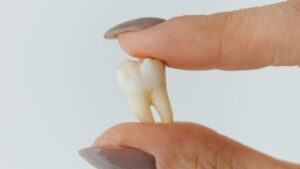
What Do Dental X-Rays Reveal Before an Extraction?
Dental X-rays taken before an extraction allow the dentist to see what cannot be assessed during a surface examination alone.
X-rays help reveal:
- The shape, length, and curvature of the roots, curved or unusually long roots require a more careful approach to avoid complications during removal
- The position of the tooth relative to nearby structures such as adjacent tooth roots, nerves, and the sinus cavity, particularly relevant for lower wisdom teeth, which may be close to the inferior alveolar nerve
- Bone density and levels around the tooth, significant bone loss affects how the tooth is held and how the extraction site will respond
- Signs of infection at the root tip or in the surrounding bone, active infection may need to be managed before or alongside the extraction
- Whether the tooth is fully erupted or impacted, which determines whether a simple or surgical extraction approach is likely
According to updated 2026 clinical recommendations from the American Dental Association, dental X-rays should be ordered after first reviewing the patient’s medical and dental history and current clinical exam findings, not as a standalone first step. Tooth extraction planning may also involve reviewing these findings to determine whether imaging is appropriate.
Does a Dentist Check Whether the Tooth Can Still Be Saved?
Yes, a responsible pre-extraction evaluation includes confirming that restorative alternatives have been appropriately considered before recommending removal.
Extraction is generally considered when a tooth cannot be predictably restored through a filling, crown, root canal, or other restorative approach. Before moving forward, your dentist will review the clinical findings and imaging to confirm that the tooth’s condition makes restoration clinically unsuitable. If there is any reasonable restorative option that has not been explored, it should be discussed before extraction is scheduled.
This is an important part of what distinguishes a thorough pre-extraction assessment from a less complete one. Patients are encouraged to ask their dental team about any alternatives that were considered before extraction was recommended.
Frequently Asked Questions
Can a tooth extraction be delayed if my blood pressure is high on the day of the appointment?
It depends on the reading and the clinical situation. Many dentists follow established guidelines that may lead to deferring elective extractions when blood pressure is significantly elevated, in order to reduce the risk of complications during and after the procedure. Emergency extractions, for example, in the case of severe infection, may proceed with additional precautions. Your dental team will assess the situation and discuss the most appropriate path forward based on your specific circumstances.
Do I need to stop taking my blood thinners before a tooth extraction?
You should never stop taking blood-thinning medications without first speaking with the physician who prescribed them. Your dental team will coordinate with your prescribing doctor to determine the safest approach. In many cases, blood thinners do not need to be stopped for a routine extraction, but this decision is always made in consultation between your dental and medical teams, based on your individual health profile.
What happens if an active infection is found before the extraction?
If a significant infection is present at or near the extraction site, your dentist may recommend treating the infection first, typically with antibiotics, before proceeding. In some cases, extraction may be performed while an infection is present if it is considered the most appropriate way to eliminate the source of the problem. Your dental team will discuss the reasoning and timing with you before any decision is made.
Will I always need X-rays before an extraction?
In most cases, yes. Dental X-rays provide information about root shape, bone levels, proximity to nerves, and the presence of infection that cannot be assessed through a clinical examination alone. The specific type of imaging recommended depends on the tooth’s location, complexity, and what prior X-rays may already show. Current ADA guidance supports using imaging when it is clinically indicated after reviewing the patient’s history and exam findings.
What should I bring to my pre-extraction appointment?
Bring a complete and current list of all medications, supplements, and vitamins you take, along with information about any known allergies, recent surgeries, and relevant medical conditions. If you have a primary care physician or specialist managing a chronic condition, their contact information can be helpful in case your dental team needs to coordinate care. Being thorough with this information helps your dental team plan the safest approach for your procedure.
Conclusion
What dentists check before a tooth extraction is more comprehensive than many patients expect, and that thoroughness is what makes the procedure as safe and appropriate as possible. From medical history and medications to imaging and clinical examination, each step of the pre-extraction evaluation serves a specific purpose in helping your dental team plan an approach tailored to your individual health circumstances.
At Affordable Family Dental, patients are encouraged to come prepared with their medical information and to ask questions at every stage. If you have a tooth that has been recommended for removal and want to understand what the evaluation process involves, a dentist in Tumwater is available to walk you through each step before any procedure is scheduled.
Sources:
- Medical Clearance for Common Dental Procedures. American Academy of Family Physicians (AAFP). https://www.aafp.org/pubs/afp/issues/2021/1100/p476.html
- New ADA Recommendations Confirm Dental Imaging Most Effectively Used in Moderation. American Dental Association News. https://adanews.ada.org/ada-news/2026/january/new-ada-recommendations-confirm-dental-imaging-most-effectively-used-in-moderation/
- American Association of Endodontists (AAE) — Root Canal vs. Extraction
https://www.aae.org/patients/root-canal-treatment/what-is-a-root-canal/root-canal-vs-extraction/ - Dentists’ Clinical Decision-Making About Teeth with Apical Periodontitis. PubMed Central / NIH. https://www.ncbi.nlm.nih.gov/pmc/articles/PMC6988310/