Category: Clear Aligners

  • How Do Clear Aligners Correct Spacing Issues Without Metal Brackets?

    How Do Clear Aligners Correct Spacing Issues Without Metal Brackets?

    You want straighter teeth but the thought of metal brackets and wires is holding you back. Many patients in Tumwater, WA feel the same way.

    Clear aligners offer a different path. They are designed to gradually shift teeth into better alignment using a series of custom-fitted plastic trays instead of traditional braces hardware.

    But a lot of people still wonder how clear aligners actually work to fix spacing problems. In this post, you will learn exactly how the process works, what types of spacing issues clear aligners can address, and what to expect from treatment at each stage.

    What Are Clear Aligners and How Are They Made?

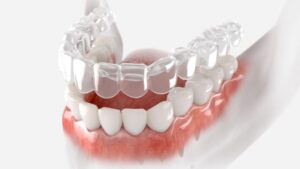
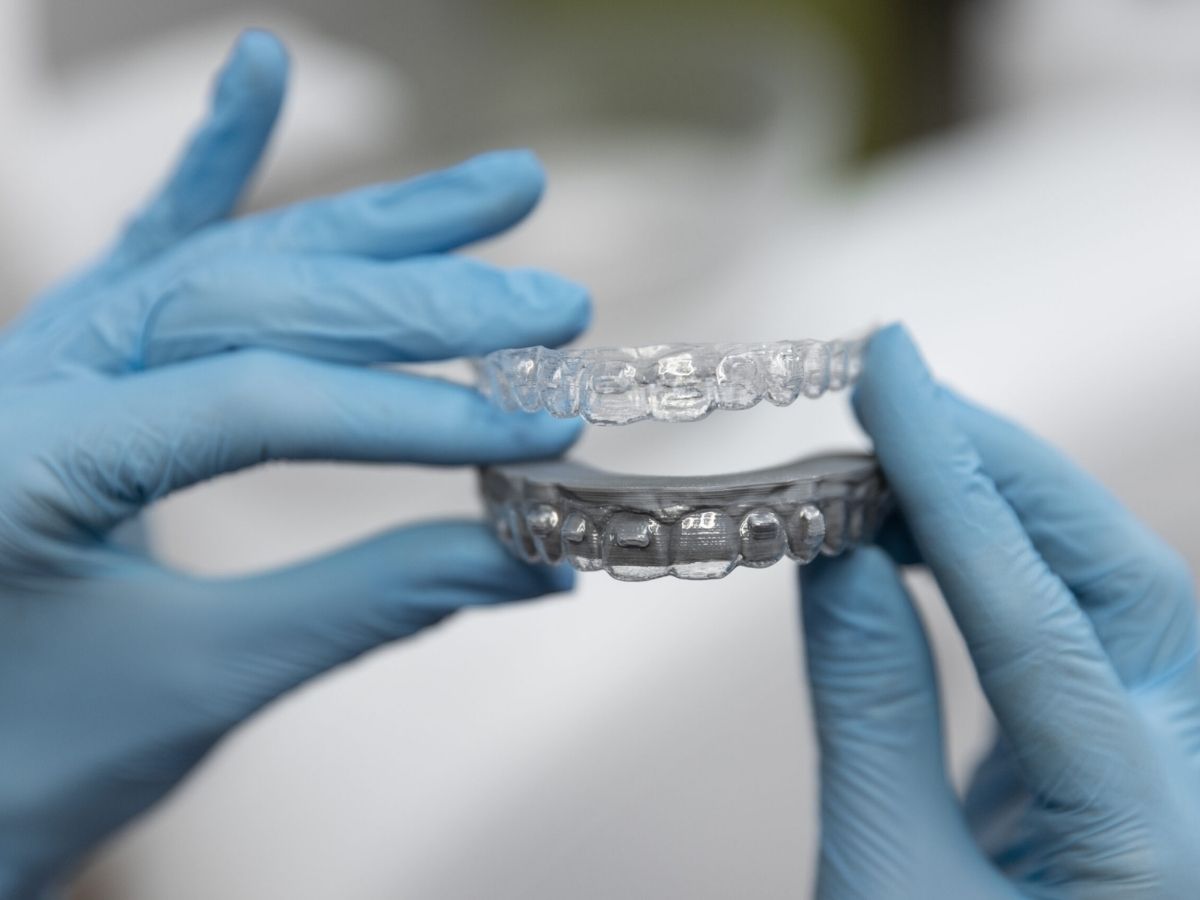
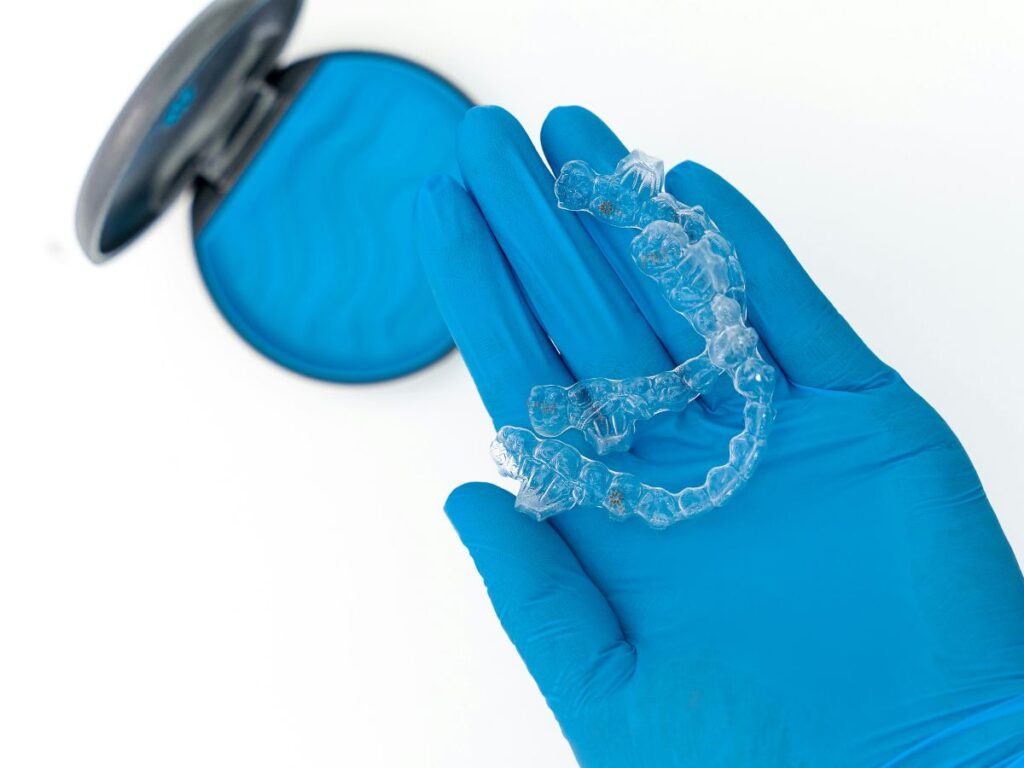
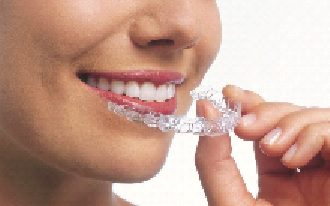
    Clear aligners are a series of removable plastic trays custom designed to fit your teeth precisely. Each tray is slightly different from the last, applying gentle and controlled pressure to move your teeth gradually over time.

    The process starts with a full dental evaluation and digital impressions of your teeth. If you want to understand exactly what to expect, learning more about clear aligners in Tumwater can give you a clearer picture before your first appointment.

    Each tray is worn for a set number of days before you move on to the next one in the series. The sequence of trays works together to guide your teeth toward the target alignment your dentist planned for you.

    How Clear Aligners Move Teeth Without Brackets or Wires

    Traditional metal braces use brackets bonded to each tooth with wires threaded through them. The orthodontist tightens the wires over time to apply force and move the teeth.

    Clear aligners achieve movement differently. Each tray is engineered with tiny pressure points built into the plastic. When you wear the tray, those pressure points contact specific teeth and apply a small, precise force in the intended direction.

    Because each tray in the series moves the teeth a very small amount, the shifts are gradual and controlled. Your teeth respond to the consistent pressure by slowly repositioning within the jawbone over the course of treatment.

    What Types of Spacing Issues Can Clear Aligners Address?

    Gaps Between Teeth

    Gaps between teeth are one of the most common spacing concerns clear aligners are used to treat. The trays are designed to apply inward pressure on the teeth surrounding the gap, guiding them closer together over time.

    Smaller gaps typically respond well to clear aligner treatment. Larger gaps may require a longer series of trays or additional steps depending on what your dentist finds during the evaluation.

    Crowded Teeth

    Crowding happens when there is not enough space in the jaw for all the teeth to sit properly. Clear aligners can help by guiding teeth into positions that distribute the available space more evenly.

    Mild to moderate crowding is commonly treated with clear aligners. Severe crowding may require additional clinical assessment to determine whether aligners alone are suitable.

    Uneven Spacing Across Multiple Teeth

    Some patients have a combination of spacing concerns spread across several teeth rather than one concentrated area. Clear aligners are designed to address multiple teeth simultaneously because each tray is custom shaped to apply specific forces across the full arch.

    This means your dentist can plan movements for several teeth at once rather than addressing one problem at a time, which helps keep the overall treatment timeline on track.

    The Role of Attachments in Clear Aligner Treatment

    You may have heard that clear aligner treatment sometimes involves small tooth colored attachments placed on certain teeth. These are small composite dots bonded directly to the tooth surface.

    Attachments give the aligner trays additional grip points to apply more complex or stronger forces where needed. They are particularly useful for rotating teeth or making more significant position corrections.

    Not every patient requires attachments. Your dentist will determine during treatment planning whether they are needed for your specific case. When they are used, they blend closely with the natural tooth color and are not easily noticeable.

    What the Clear Aligner Treatment Process Looks Like

    Initial Evaluation and Planning

    The first step is a thorough dental exam to confirm that your teeth and gums are healthy enough to begin orthodontic treatment. X-rays and digital scans are taken to assess your bite and spacing in detail.

    Our dentist in Tumwater uses this information to create a customized movement plan and show you a projected outcome before any trays are made. This gives you a clear picture of what the treatment is designed to achieve.

    Wearing and Progressing Through Your Trays

    Once your trays arrive, you will wear each set for the recommended number of days before switching to the next. Clear Aligners should be worn for the majority of the day and night to keep treatment on schedule.

    You will have periodic check in appointments so your dentist can confirm the teeth are tracking correctly with the plan. Adjustments are made if needed to keep progress moving in the right direction.

    Retention After Treatment

    Once your final tray is complete, your teeth will need time to stabilize in their new positions. A retainer is typically recommended to maintain the results and prevent teeth from gradually shifting back.

    Skipping retention is one of the most common reasons teeth drift after orthodontic treatment. Your dentist at Affordable Family Dental will advise you on the right retainer schedule based on your individual case.

    How Clear Aligners Compare to Braces for Spacing Issues

    For mild to moderate spacing concerns, clear aligners can produce results comparable to traditional braces for many patients. The key advantage is the ability to remove the trays for eating, brushing, and flossing throughout treatment.

    Traditional braces are fixed in place and require more effort to clean around. Certain complex bite corrections may still be better suited to braces depending on what the clinical assessment reveals.

    Your dentist can help you understand which option is appropriate based on the specific nature of your spacing issue, your bite, and your treatment goals.

    Frequently Asked Questions

    How long does clear aligner treatment take for spacing problems? 

    Treatment length varies depending on how much movement is needed. Mild spacing concerns may be addressed in a shorter series of trays while more significant corrections take longer. Your dentist will give you an estimated timeline after reviewing your scans and developing your treatment plan.

    Do clear aligners hurt when you switch to a new tray? 

    It is common to feel pressure or mild soreness for the first day or two after switching to a new tray. This is a normal response as the teeth begin to respond to the new position the tray is guiding them toward. The sensation typically eases as your teeth adjust.

    Can adults use clear aligners or are they only for teenagers?

    Clear aligners are used by both teenagers and adults. Many adult patients in Tumwater choose clear aligners specifically because they are less noticeable during treatment than traditional braces. As long as the teeth and gums are healthy, age is generally not a barrier to starting treatment.

    What happens if I do not wear my aligners consistently? 

    Clear aligners only work when they are being worn. Inconsistent wear can slow progress, cause trays to feel tight when you return to them, or throw off the overall treatment timeline. Your dentist will advise you on the recommended daily wear time to keep your treatment moving as planned.

    Conclusion

    Clear aligners correct spacing issues by using a series of precisely designed trays to apply consistent, controlled pressure on the teeth over time. There are no brackets, no wires, and no hardware involved. The process works gradually and is planned in detail before treatment even begins.

    If you have gaps, crowding, or uneven spacing and want to explore whether clear aligners are the right fit for your teeth, the team at Affordable Family Dental in Tumwater, WA is ready to walk you through your options.

    Scheduling a consultation is the first step toward a clearer picture of what treatment could look like for you.

  • Can Clear Aligners Fix Bite Issues or Just Crooked Teeth?

    Can Clear Aligners Fix Bite Issues or Just Crooked Teeth?

    If you’ve been researching straighter teeth, you’ve probably come across clear aligners as a popular alternative to traditional braces. But a common question many patients have is: do clear aligners only fix crooked teeth, or can they actually correct bite problems too?

    It’s a fair question and the answer matters more than you might think. Bite issues aren’t just about appearance. An untreated misaligned bite can lead to jaw pain, uneven tooth wear, difficulty chewing, and even headaches over time. At Affordable Family Dental in Tumwater, Washington, we hear this question often from patients of all ages, teens, adults, and parents researching options for their kids.

    This blog will walk you through exactly what clear aligners can and cannot do, how they address different types of bite problems, and how to know whether they may be the right fit for your smile.

    What Are Clear Aligners and How Do They Work?

    Clear aligners are a series of custom-made, removable trays that gradually shift your teeth into a more aligned position. Each set of trays is worn for about one to two weeks before moving on to the next set in the series.

    Unlike metal braces, our clear aligners in Tumwater are nearly invisible and can be removed for eating, brushing, and flossing. They work by applying controlled, gentle pressure to specific teeth at specific stages of treatment.

    Modern clear aligner technology has advanced significantly. Today’s systems use precision attachments small tooth-colored bumps bonded to the teeth to help guide more complex movements, including rotations and vertical shifts. This means aligners can now address a wider range of orthodontic concerns than they could a decade ago.

    Can Clear Aligners Fix Bite Issues?

    Yes, clear aligners can address several types of bite issues, though results depend on the severity and complexity of each individual case. Here’s a breakdown of the most common bite problems and how aligners may help:

    Overbite

    An overbite occurs when the upper front teeth overlap too far over the lower front teeth. Mild to moderate overbites are often treatable with clear aligners. Special features like precision bite ramps can help reposition the jaw gradually during treatment.

    Severe overbites may still require braces or a combination of orthodontic and surgical approaches, depending on whether the issue is dental (tooth position) or skeletal (jaw structure).

    Underbite

    An underbite is when the lower teeth sit in front of the upper teeth when biting down. Mild underbites with dental causes can sometimes be corrected with clear aligners. However, underbites that stem from jaw misalignment are typically more complex and may require additional treatment.

    Early intervention is especially helpful for underbites in younger patients, which is why parents often benefit from scheduling an evaluation sooner rather than later.

    Crossbite

    A crossbite happens when some upper teeth sit inside the lower teeth rather than outside. Clear aligners can be effective for correcting both front and back crossbites, particularly when attachments are used. Left untreated, crossbites can cause uneven jaw development and tooth wear.

    Open Bite

    An open bite is when the upper and lower front teeth don’t meet when biting down. This is one of the areas where clear aligners have shown strong results. Aligners can help bring the front teeth into proper contact, improving both function and appearance.

    Spacing and Crowding (That Contribute to Bite Problems)

    Crowded or widely spaced teeth can throw off your bite alignment over time. Clear aligners are well-suited for addressing both crowding and spacing, which in turn can improve how your upper and lower teeth come together.

    What Clear Aligners May Not Be Able to Fix

    While clear aligners have become highly versatile, they do have limitations. It’s important to have realistic expectations before starting any orthodontic treatment.

    Clear aligners may not be the best fit for:

    • Severe skeletal bite issues Problems rooted in jaw bone structure rather than tooth position often require surgical orthodontics or jaw surgery alongside orthodontic treatment.
    • Significant vertical tooth movements Some cases requiring major shifts in tooth height are still better handled with traditional braces.
    • Complex rotations of back teeth Premolars and molars can be harder to rotate precisely with aligners alone, though attachments help.

    The only way to know for sure whether clear aligners are right for your specific bite concern is through a professional evaluation with X-rays and digital scans.

    Clear Aligners

    Clear Aligners for Every Age: What Families Should Know

    One of the advantages of modern clear aligner systems is that options now exist for teens and adults alike.

    For teens, specialized aligner systems include features like compliance indicators (small blue dots that fade with wear) and extra aligners to replace lost trays. Teen patients with mild to moderate bite issues are often strong candidates.

    For adults, clear aligners offer a discreet way to address both aesthetic concerns and functional bite problems that may have been ignored for years. Many adults are surprised to learn that issues like jaw soreness or uneven chewing may be linked to an untreated bite misalignment.

    For parents researching for children, visiting a dentist in Tumwater early can help identify issues before they become more complex, even if full aligner treatment isn’t quite the right fit yet.

    How to Know If Clear Aligners Are Right for Your Bite

    Not every smile is the same, and the right treatment depends on your individual dental and jaw anatomy. A consultation with an experienced dental provider will typically include:

    • A thorough clinical exam
    • Digital X-rays to assess tooth roots and jaw structure
    • 3D scans or impressions to map your current bite
    • A personalized treatment recommendation

    Some patients find that a combination approach such as clear aligners followed by a retainer or alongside other treatments gives the most complete result.

    Frequently Asked Questions

    Can clear aligners fix my overbite without braces?

    In many cases, yes. Mild to moderate overbites caused by tooth position (rather than jaw misalignment) can often be addressed with clear aligners. Treatment typically uses bite ramps or targeted aligner stages to guide the jaw into a better position over time. A dental evaluation is the best way to determine whether your overbite falls within the treatable range for aligners.

    How long does it take for clear aligners to fix a bite issue?

    Treatment time varies depending on the complexity of the bite problem and how consistently the clear aligners are worn (typically 20–22 hours per day). Simple cases may resolve in 6–12 months, while more involved bite corrections can take 18–24 months. Your provider will give you a more specific estimate after reviewing your case.

    Are clear aligners effective for teens with bite problems?

    Yes, teen-specific aligner systems are designed to accommodate growing mouths and support compliance. Teens with mild to moderate bite concerns such as crowding, spacing, or a mild overbite are often good candidates. A consultation will help determine the most suitable treatment plan for your child’s age, bite, and goals.

    What happens if I don’t treat a bite issue?

    Leaving a bite misalignment untreated can lead to a range of issues over time, including accelerated tooth wear, jaw joint discomfort (TMJ-related symptoms), difficulty chewing, and in some cases, speech changes. Addressing bite concerns earlier often means simpler treatment and better long-term outcomes.

    Final Thoughts: Clear Aligners Do More Than Straighten Teeth

    Clear aligners have come a long way. Today, they’re capable of addressing a wide range of bite concerns from overbites and crossbites to open bites and crowding, not just cosmetic tooth alignment. That said, results depend on the type and severity of your bite issue, which is why a professional evaluation is always the essential first step.

    At Affordable Family Dental in Tumwater, Washington, we work with patients of all ages to explore whether clear aligners may be a good fit for their smile and bite health. 

    If you’ve been wondering whether aligners could help with more than just crooked teeth, we invite you to schedule a consultation and get a personalized answer. Your bite health is worth paying attention to and getting started is easier than you might think.

Book Appointment