

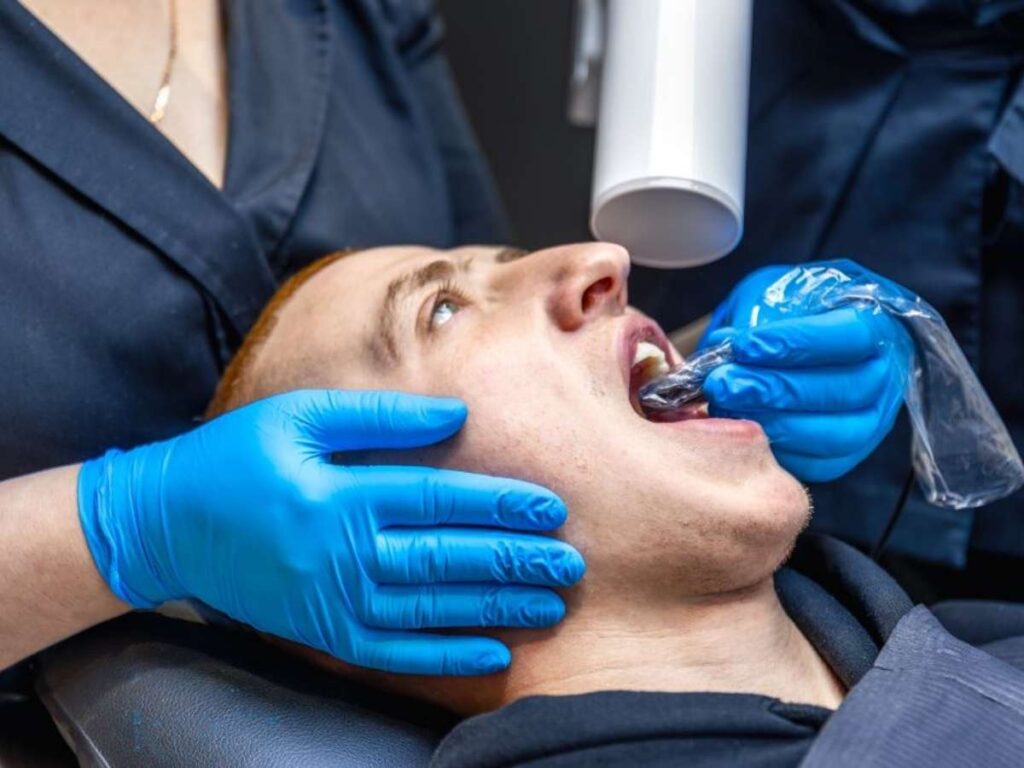
Losing a tooth can feel like a relief, especially when it has been causing pain or infection. But once the tooth is gone, many patients start to wonder what happens to the teeth around it? If you have been considering or recently had tooth extractions in Tumwater, understanding how nearby teeth respond is just as important as the procedure itself.
The truth is, a missing tooth does not just leave an empty space. It can quietly trigger a chain of changes in your mouth that affect your bite, your jaw, and the teeth sitting right next to the gap.
The good news is that most of these effects are preventable when you know what to watch for and take the right steps after your extraction. This guide will walk you through exactly what happens to neighboring teeth after an extraction and what you can do to protect your smile.
What Happens to the Teeth Next to an Extraction Site?
When a tooth is removed, the teeth on either side of the gap no longer have the structural support they once had. Over time, this loss of contact can lead to noticeable and sometimes irreversible changes.
Drifting and Shifting
Adjacent teeth tend to slowly tilt or shift toward the open space. This happens because teeth rely on each other for positional stability. Without a neighbor, a tooth loses that resistance and gradually leans into the gap.
This shifting can happen faster than most people expect. In some cases, movement becomes visible within a few months of tooth extractions in Tumwater. Once a tooth drifts out of alignment, it can create uneven contact with opposing teeth and make cleaning harder.
Changes in Bite Alignment
When a tooth drifts, it changes the way your upper and lower teeth meet. This altered bite called malocclusion can put extra stress on certain teeth and jaw joints. Over time, it may lead to worn enamel, jaw discomfort, or headaches.
How the Tooth Above or Below the Gap Is Affected
It is not just the teeth beside the extraction site that change. The tooth directly above or below the missing tooth can be affected too.
Super-Eruption of Opposing Teeth
When a tooth is extracted, the opposing tooth, the one that used to make contact with it during chewing, loses its counterpart. Without that contact, the opposing tooth may begin to slowly grow or erupt further out of the gumline in a process called super-eruption.
This can make the tooth longer in appearance and more vulnerable to sensitivity, gum recession, and even decay along the exposed root area. It also complicates future tooth replacement options if the over-erupted tooth now occupies part of the space needed for a dental implant or bridge.
Bone Loss and Its Impact on Surrounding Teeth
One of the most significant effects of tooth extraction on nearby teeth is bone loss, and it often goes unnoticed until it creates bigger problems.
Why Bone Loss Happens After Extraction
The jawbone is maintained by the pressure and stimulation created by tooth roots. Once a tooth is removed, the bone in that area no longer receives stimulation and begins to resorb, or break down, over time. Studies suggest that a significant portion of bone volume can be lost within the first year after an extraction.
How This Affects Neighboring Teeth
As the bone around the extraction site shrinks, the roots of adjacent teeth may lose some of the bone that once supported them. This can make those teeth feel less stable over time and increase the risk of gum recession around them. In more advanced cases, it may even contribute to loosening of nearby teeth.
Does Timing of Tooth Replacement Matter?
One of the most important decisions after a tooth extraction is how soon you address the gap. The longer the space remains open, the more time neighboring teeth have to shift and the more bone loss can occur.
Early Replacement Supports Long-Term Stability
Replacing a missing tooth with a dental implant, bridge, or partial denture helps preserve the natural spacing of your remaining teeth. Dental implants in particular stimulate the jawbone similarly to a natural tooth root, which may help slow bone loss in the area.
Talking to Your Dentist Early
If you are planning an extraction or have recently had one, discussing replacement options before or immediately after the procedure gives you the best chance of protecting adjacent teeth. Your dentist in Tumwater can help you understand the timeline and which option fits your situation.
Can You Prevent Shifting After a Tooth Extraction?
The short answer is yes with the right approach, you can significantly reduce or prevent tooth movement after an extraction.
Space Maintainers
In some cases, particularly for younger patients, a space maintainer can be placed to hold the gap open and prevent adjacent teeth from drifting while a longer-term solution is being planned.
Orthodontic Monitoring
For patients who already have some alignment concerns, an orthodontist may recommend monitoring or early intervention to keep existing teeth in their correct positions.
Proper Aftercare and Follow-Up
Following your dentist’s post-extraction care instructions and attending scheduled follow-up appointments allows your care team to catch early signs of shifting or bone loss before they become harder to manage.
Frequently Asked Questions
How soon do teeth start shifting after an extraction?
Teeth can begin shifting within weeks to months after an extraction, though the rate varies from person to person. Factors like age, overall bone density, and the location of tooth extracted tooth all influence how quickly movement occurs. This is why many dentists recommend discussing replacement options as soon as possible.
Is it normal for a tooth next to an extraction site to hurt afterward?
Some mild sensitivity or soreness in the teeth near an extraction site is common in the days following the procedure. This is typically part of the healing process. However, if pain persists beyond one to two weeks or gets worse, it is worth contacting your dentist to rule out complications like dry socket or infection.
Does removing a wisdom tooth affect the molar in front of it?
Yes, in some situations. If the wisdom tooth was impacted or pressed against the neighboring molar, its removal can relieve pressure. However, if the molar had been leaning against the wisdom tooth for support, its removal may eventually allow some mild shifting. Your dentist can assess this based on your X-rays and oral health history.
What is the best tooth replacement option to protect nearby teeth?
There is no one-size-fits-all answer, as the right option depends on your health, budget, and jawbone condition. Dental implants are often considered a strong long-term option because they preserve bone and do not rely on neighboring teeth for support. Bridges and partial dentures also help maintain spacing. A consultation with your dentist will help determine what works best for your specific needs.
Conclusion
A tooth extraction is sometimes the most appropriate step for your oral health, but the story does not end when the tooth comes out. Nearby teeth are directly affected by the gap that remains, and without timely action, shifting, bite changes, and bone loss can create new problems that go well beyond the original tooth extraction site.
Staying informed and proactive is the most effective way to protect your surrounding teeth and preserve your long-term oral health.
At Affordable Family Dental, our team is here to help you navigate every step of your care from extraction to recovery and beyond. Reach out today to schedule a consultation and find out which tooth replacement option may be right for you.
Sources: