


If you’re considering clear aligners in Tumwater, you may have noticed small, tooth-colored bumps on some patients’ teeth during treatment. These are called attachments, and they often raise questions. Are they necessary? Do they hurt? Will they show?
This guide explains what clear aligner attachments are, why your dentist may recommend them, and what to expect if your treatment plan includes them. Understanding this small but important detail can help you feel more confident as you start your smile journey with clear aligners in Tumwater.
Many patients researching clear aligners focus mainly on the trays themselves and are surprised to learn that attachments often play a supporting role behind the scenes. Knowing what they do, and why a dentist may include them in a treatment plan, can make the entire process feel more familiar and predictable from the very first appointment.
What Are Clear Aligner Attachments?
Attachments are small, tooth-colored shapes made of dental composite that are bonded directly onto specific teeth during clear aligner treatment. They are barely noticeable and are designed to blend in with your natural tooth color.
Each attachment is placed in a precise location and shape based on your individualized treatment plan for clear aligners in Tumwater. They work together with your aligner trays to help guide tooth movement in ways that trays alone may not be able to achieve.
Attachments come in different shapes, including small rectangles, ovals, or triangles, depending on the type of movement a particular tooth needs. Your dentist uses digital treatment planning software to map out exactly where each attachment should go before any are placed, so the process is planned in advance rather than decided on the spot.
Why Might Attachments Be Necessary?
Clear aligners rely on gentle, consistent pressure to help move teeth into their new positions over time. For some types of movement, a smooth plastic tray alone does not provide enough grip or leverage. Attachments give the aligner tray something to “hold onto,” which may support more controlled and predictable movement.
Attachments are often considered for cases involving:
- Rotating a tooth into better alignment
- Moving a tooth up or down (extrusion or intrusion)
- Adjusting teeth with rounded or unusually shaped surfaces
- Supporting more complex bite adjustments
Not every patient needs attachments. Your dentist will evaluate your teeth and treatment goals before determining whether they should be part of your plan.
The number and placement of attachments can vary widely from one person to the next. Someone with mostly minor spacing concerns may need very few, while someone working toward a more involved bite correction may have several. This is one reason why clear aligner treatment plans are built around each patient’s individual scan and goals rather than a one-size-fits-all approach.
How Are Attachments Placed?
Placing attachments is a simple, in-office process. Your dentist will:
- Prepare the tooth surface
- Use a template tray to apply a small amount of tooth-colored composite in the planned location
- Shape and cure the material with a special light
The process typically takes a short time and does not usually require numbing. Many patients describe the sensation as similar to a routine dental bonding procedure.
Because attachments are bonded rather than embedded into the tooth structure, the process does not involve any drilling or removal of natural tooth material. Your dentist in Tumwater, wa will check the fit of your aligner tray after attachments are placed to confirm everything is tracking as planned.
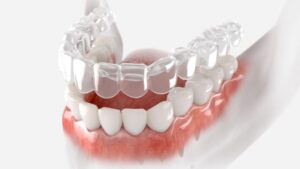
Do Attachments Affect Daily Life?
Attachments are designed to be a normal part of everyday activities. Here are a few things to keep in mind:
- Eating: You will still remove your aligners to eat and drink anything other than water, so attachments should not affect your ability to enjoy meals.
- Brushing and Flossing: You may need to spend a little extra time brushing around attachments to keep the area clean, since food and plaque can collect around their edges.
- Speaking: Most patients adjust to attachments within a short period and do not report ongoing speech changes.
- Appearance: Because attachments are tooth-colored, they tend to be subtle. Some people may notice them up close, but they are generally far less visible than traditional metal braces.
Are Attachments Removed After Treatment?
Yes. Once your clear aligner treatment is complete, your dentist will gently remove the attachments and polish your teeth. This step is quick and is typically done at one of your final appointments.
What Happens If You Don’t Use Attachments When Recommended?
If your treatment plan calls for attachments and they are skipped, certain tooth movements may not track as planned. This could mean your teeth may not move as expected within the treatment timeline, and additional adjustments could be needed. Following your dentist’s recommended treatment plan, including any attachments, may help support a smoother process from start to finish.
Frequently Asked Questions
Do all clear aligner patients need attachments?
No. Some patients complete treatment without any attachments, while others require several. It depends on the specific tooth movements needed to achieve your treatment goals. Your dentist will explain this during your consultation and review of your treatment plan.
Are attachments painful to place or remove?
Most patients report that placing and removing attachments feels similar to routine bonding procedures. It is generally described as quick and comfortable, though individual experiences can vary.
Can I see attachments when I smile?
Attachments are tooth-colored and designed to blend with your natural teeth. While it is possible for them to be visible up close, many patients find they are much less noticeable than traditional braces brackets.
Will attachments slow down my treatment if I lose one?
If an attachment comes off between appointments, it’s a good idea to contact your dental office. They can evaluate whether it needs to be replaced right away or at your next scheduled visit, depending on where you are in your treatment plan.
How long do attachments stay on my teeth?
Attachments generally remain in place for the portion of your treatment plan where that specific tooth movement is needed. Some attachments may be adjusted, removed, or added at different points as your treatment progresses, while others stay in place until your clear aligner series is complete.
Conclusion
Attachments are a common and well-established part of many clear aligner treatment plans. They are not a sign that something is wrong with your teeth or your treatment. Instead, they are a tool your dentist may use to help support more precise tooth movement for certain cases.
Understanding the role attachments play can make it easier to feel prepared for each step of your treatment, from the initial consultation to your final set of trays. Every treatment plan is different, and asking questions along the way is a normal part of the process.
If you’re exploring clear aligners in Tumwater and want to understand whether attachments may be part of your personalized treatment plan, the team at Affordable Family Dental Tumwater can walk you through your options during a consultation.
Every smile is different, and a personalized evaluation gives you the clearest picture of what your treatment may involve. Reach out to Affordable Family Dental Tumwater to schedule a visit and learn more about your clear aligner options.
Sources:
- https://pmc.ncbi.nlm.nih.gov/articles/PMC10597356/
- https://pmc.ncbi.nlm.nih.gov/articles/PMC7018497/
- https://www.fda.gov/consumers/consumer-updates/braces-have-changed-metal-tooth-colored-clear
- https://www.colgate.com/en-us/oral-health/adult-orthodontics/clear-aligners-or-metal-braces-heres-how-to-choose