

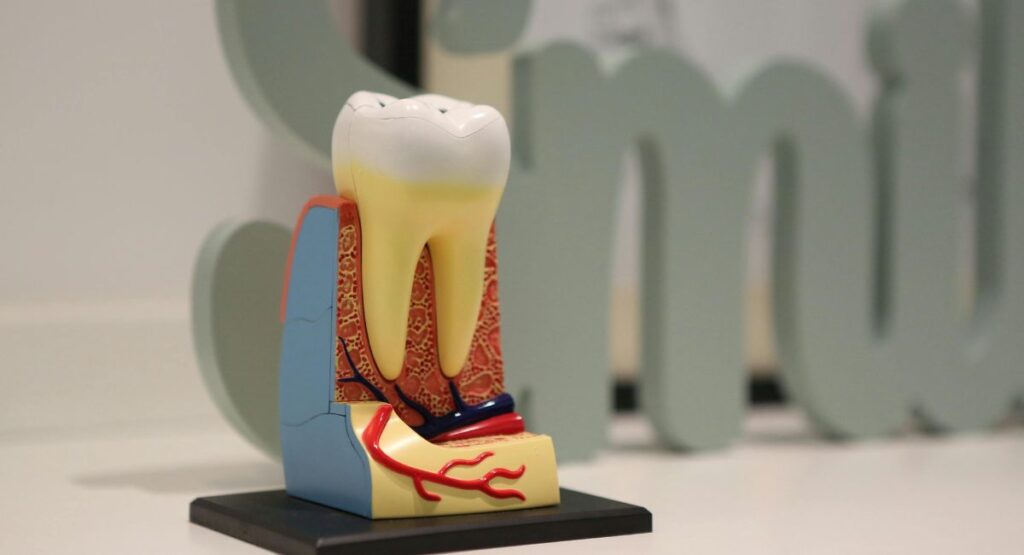
When a tooth becomes severely infected or damaged, many patients face a tough decision: save the tooth with root canal therapy or have it pulled. It is a common crossroads, and understandably, some people lean toward extraction because it sounds simpler or faster.
But the reality is that keeping your natural tooth through root canal therapy in Tumwater is almost always the better long-term choice for your oral health.
This post will walk you through what root canal therapy actually involves, how it compares to extraction, and why most dental professionals encourage patients to preserve their natural teeth whenever possible. Whether you are currently dealing with tooth pain or simply want to be informed, this guide will help you make a confident, educated decision.
What Is Root Canal Therapy and When Is It Needed?
Root canal therapy is a procedure designed to treat infection or damage inside a tooth. Each tooth contains soft tissue called the pulp, which holds nerves and blood vessels. When bacteria reach the pulp through a deep cavity, a crack, or trauma infection can develop. Left untreated, that infection can spread to surrounding bone and tissue.
Root canal therapy in Tumwater removes the infected or damaged pulp, cleans the inner canals of the tooth, and seals them to prevent future infection. A dental crown is typically placed over the tooth afterward to protect and restore its function.
The procedure is often completed in one or two visits, depending on the severity of the infection. Modern techniques and local anesthesia make the experience far more comfortable than most patients expect.
Why Saving Your Natural Tooth Matters
Your natural teeth are designed to last a lifetime with proper care. When a tooth is extracted, the gap it leaves behind can trigger a series of changes in your mouth that affect both function and appearance over time.
Bone Loss Begins Quickly After Extraction
The jawbone depends on tooth roots to stay stimulated. Once a tooth is removed, the bone in that area begins to resorb, or shrink, relatively quickly. This can lead to changes in the shape of your face and jaw over time, as well as make future dental restorations more complex.
Neighboring Teeth Can Shift
When a gap opens up, surrounding teeth gradually drift toward the empty space. This shifting can affect your bite, create uneven pressure on other teeth, and sometimes lead to additional dental problems down the line.
Root canal therapy eliminates the need to manage any of these downstream effects. Your tooth stays in place, your bone stays supported, and your bite remains stable.

How Root Canal Therapy Compares to Extraction
It helps to look at both options side by side to understand the practical differences.
Cost Over Time
An extraction may seem less expensive upfront. However, replacing a missing tooth whether with a dental implant, bridge, or partial denture adds significant cost. When you factor in the cost of tooth replacement after extraction, root canal therapy with a crown may be a comparable or cost-effective option for many patients. Your dentist in Tumwater can provide a personalized cost estimate based on your specific case.
Recovery and Healing
Both procedures require some recovery time. Root canal therapy typically involves mild soreness for a few days. Extraction can involve a longer healing period, especially if bone grafting is needed to prepare the site for an implant later.
Function and Comfort
A restored tooth after root canal therapy functions very much like a natural tooth. You can chew, speak, and smile without worrying about gaps or the maintenance that comes with removable dental appliances.
Root Canal Therapy in Tumwater: What the Procedure Looks Like
For patients considering root canal therapy in Tumwater, understanding the process can ease a lot of anxiety. The procedure is straightforward and is performed under local anesthesia so you remain comfortable throughout.
Your dentist will access the inner part of the tooth, remove the infected pulp tissue, and carefully clean and shape each canal. The canals are then filled with a biocompatible material and sealed. Most patients leave the appointment feeling relieved, especially those who came in with significant tooth pain because the source of discomfort has been addressed.
After healing, a custom-made dental crown is placed over the tooth to protect it and restore its natural appearance and strength.
Is Root Canal Therapy Always the Right Choice?
Root canal therapy is an excellent option in many situations, but it is not the only path in every case. Your dentist will evaluate the condition of the tooth, the extent of the infection, and your overall oral health before making a recommendation.
In some situations such as when a tooth is too severely damaged to be restored, or when bone loss is too extensive, extraction may genuinely be the more appropriate option. What matters most is that the decision is based on a thorough clinical evaluation rather than assumption.
That said, dental professionals generally aim to preserve natural teeth whenever it is clinically reasonable to do so. The more information you have going into that conversation, the better.
Frequently Asked Questions
Is root canal therapy painful?
Many patients report that the procedure itself is no more uncomfortable than getting a routine filling. Experiences can vary, and your dentist will ensure you are as comfortable as possible throughout the treatment.
How long does a tooth last after root canal therapy?
With proper care and regular checkups, a tooth treated with root canal therapy can remain functional for many years. Individual results vary depending on oral hygiene, crown placement, and overall dental health.
What happens if I choose extraction instead of root canal therapy?
If a tooth is extracted without being replaced, the gap can lead to bone loss, shifting of neighboring teeth, and changes in your bite over time. Replacing the tooth with an implant or bridge is possible, but it involves additional procedures and costs. Root canal therapy, when appropriate, helps you avoid these complications by preserving your natural tooth structure.
Can I go back to normal activities after root canal therapy?
Most patients return to their regular routine within a day or two. It is common to experience mild tenderness around the treated area for a few days, which usually resolves on its own. Your dentist may recommend avoiding very hard or crunchy foods until your crown is placed, but everyday activities are generally not affected.
Conclusion
Choosing between root canal therapy and extraction is an important decision, and the right answer depends on your specific situation. In most cases, preserving your natural tooth offers meaningful advantages: it protects your jawbone, maintains your bite, and avoids the need for more involved restoration work later on.
If you are experiencing tooth pain, sensitivity, or swelling, do not wait to seek care. Early evaluation gives you the best chance of keeping your tooth.
The team at Affordable Family Dental Tumwater is here to help you understand your options and work with you toward a treatment plan that supports your long-term oral health. Schedule a consultation today to get the clarity and care you deserve.
Sources: