A dental bridge can be a practical option for replacing one or more missing teeth, but like any dental restoration, how long it lasts depends on a range of factors. Patients who receive a dental bridge often want to know what they can do to keep the restoration functioning well for as long as possible.
How long a dental bridge may last can be influenced by a combination of factors, including oral hygiene habits, dietary choices, the health of the supporting teeth, the material the bridge is made from, and how consistently a patient attends professional dental visits.
Some of these factors are within a patient’s control, while others relate to clinical considerations that your dental provider can help monitor and manage. At Affordable Family Dental in Tumwater, WA, the dental team aims to help patients understand how to care for their restorations and what to watch for over time.
At a Glance: Factors That Can Affect Dental Bridge Longevity
- Oral hygiene habits, including daily cleaning around and beneath the bridge, may play an important role in how long the restoration lasts.
- The health and stability of the abutment teeth that support the bridge are important to its long-term function.
- Diet and habits such as chewing hard foods or grinding teeth can affect the structural integrity of the bridge over time.
- The material the bridge is made from and the quality of its placement influence how it holds up to daily wear.
- Regular dental checkups allow early detection of issues that could shorten the lifespan of the bridge.
How Does Oral Hygiene Affect the Longevity of a Dental Bridge?
Oral hygiene is among the key factors that may influence how long a dental bridge remains functional. For patients with dental bridges in Tumwater WA, the abutment teeth that anchor the bridge are still natural teeth, which means they remain susceptible to decay and gum disease.
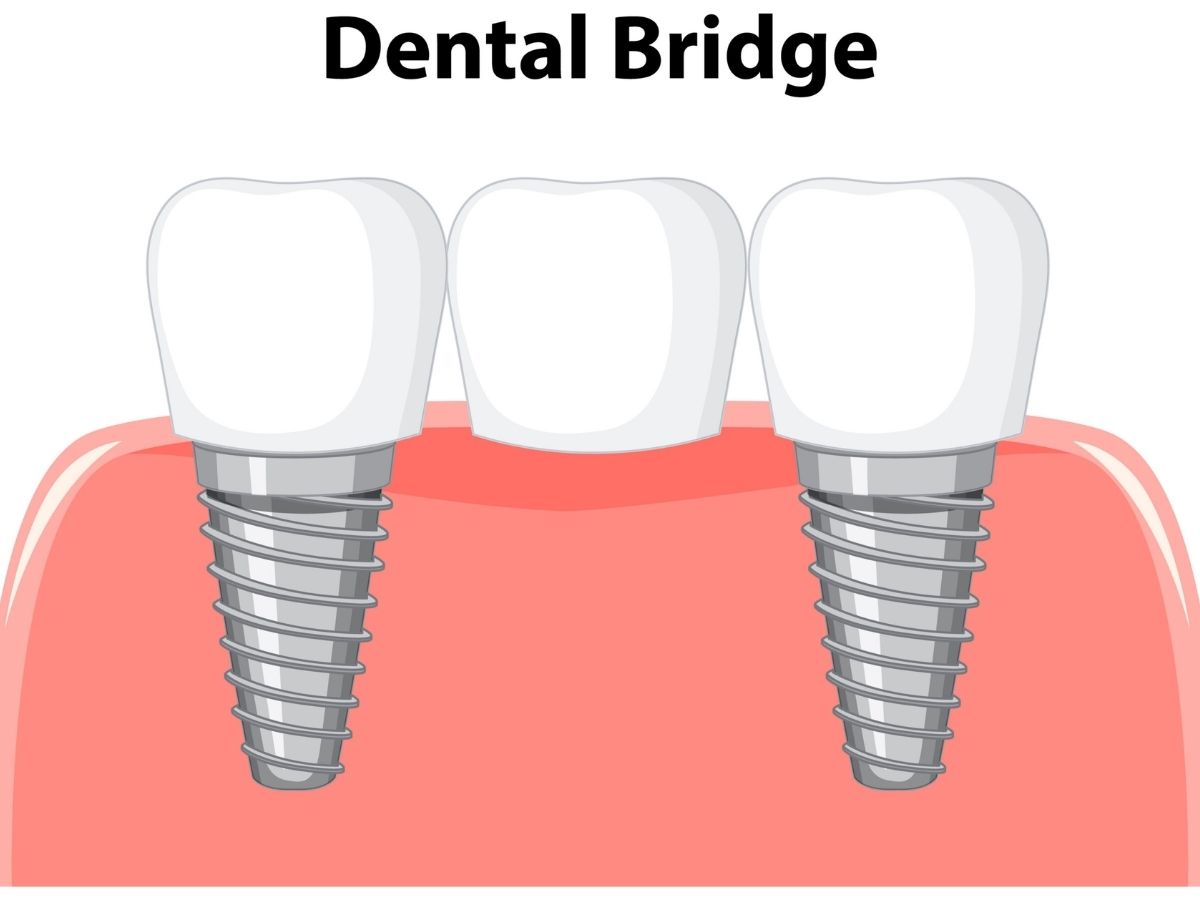
If plaque builds up along the gumline or beneath the pontic, the supporting teeth can weaken over time, which may affect the stability and lifespan of the entire bridge. Cleaning around a dental bridge requires more attention than standard brushing and flossing alone.
Because the pontic sits above the gum and is connected to the crowns on either side, food and bacteria can collect in areas that a regular toothbrush cannot always reach effectively.
Recommended Cleaning Tools for Dental Bridges
- Floss threaders guide floss beneath the pontic and along crown margins.
- Interdental brushes clean along the sides and gaps between the bridge and gum tissue.
- Water flossers rinse debris from beneath the bridge and around abutment teeth.
Using these tools daily alongside twice-daily brushing with fluoride toothpaste supports the long-term health of the bridge and surrounding teeth.
Why Does the Health of the Supporting Teeth Matter for Bridge Longevity?
The abutment teeth serve as the primary support structure for a dental bridge. These are the natural teeth on either side of the gap that have been fitted with crowns to anchor the bridge in place. If the abutment teeth develop decay, fracture, or are affected by advancing gum disease, the structural support for the bridge can be compromised.
Decay beneath a crown is one of the more common reasons a dental bridge may need to be replaced before the end of its expected functional period. A dentist in Tumwater WA can check the abutment teeth beneath the crowns during regular examinations, as early decay can go undetected without dental examinations and X-rays. This is one reason routine checkups are important even when the bridge itself appears to be functioning normally.
Gum disease that affects the bone and tissue supporting the abutment teeth can also reduce the stability of the bridge over time. Keeping the gum tissue healthy through consistent oral hygiene and professional cleanings supports the long-term foundation of the restoration.
How Do Diet and Daily Habits Influence How Long a Dental Bridge Lasts?
Certain dietary habits and behaviors can shorten a bridge’s lifespan. Key ones to avoid:
- Hard foods, ice, hard candies, and crusty bread can chip or fracture the restoration.
- Sticky foods, caramel, gum, and dried fruit can loosen the crown cement.
- Acidic foods and drinks, frequent consumption weakens abutment tooth enamel over time.
Bruxism places excessive force on the bridge, a custom night guard can help. Also avoid using teeth as tools, as this adds unnecessary stress to the restoration.
Does the Material a Dental Bridge Is Made From Affect Its Longevity?
The material used for a dental bridge affects both its durability and appearance. Common options include:
- PFM bridges, balance of aesthetics and durability for most areas.
- All-ceramic bridges, natural appearance, best suited for front teeth.
- Zirconia bridges, strong and tooth-colored, suitable for a range of clinical situations.
- Metal alloy bridges, highly durable, used in specific clinical situations.
Material selection is made in consultation with your dental provider based on location, bite forces, and individual factors.
How Does the Quality of Bridge Placement Affect Its Lifespan?
A dental bridge that is well-designed and carefully placed is intended to support comfortable function and stability over time, though individual outcomes may vary. The fit of the crowns over the abutment teeth, the accuracy of the bite alignment, and the quality of the cement used all contribute to how the bridge performs long term.
A bridge placed with a bite that is even slightly off can cause uneven force distribution during chewing, which may accelerate wear on the dental bridge material or cause discomfort in the jaw joints and surrounding muscles. If a newly placed bridge feels noticeably high when biting, this is worth raising with your dental provider promptly so the bite can be adjusted.
The marginal fit of the crowns, meaning how closely the crown edges meet the tooth surface at the gumline, also matters. A well-fitted crown margin reduces the risk of cement washout and bacterial infiltration beneath the crown, both of which can contribute to decay of the abutment tooth over time.

Why Are Regular Dental Checkups Important for Maintaining a Dental Bridge?
Routine dental visits allow your provider to monitor the bridge, remove tartar buildup, and detect early signs of decay, gum changes, or loosening before they become more significant. X-rays and clinical exams are among the primary tools dental providers use to identify these issues early.
Frequently Asked Questions
How long do dental bridges typically last?
With proper care, a dental bridge may remain functional for a number of years, though the actual lifespan varies depending on oral hygiene, the health of the supporting teeth, diet, and how regularly a patient attends dental checkups.
What is the most common reason dental bridges fail?
Decay beneath the crown margins is one of the most common reasons bridges need repair or replacement. Consistent cleaning around the bridge and regular professional exams help reduce this risk.
Can a loose dental bridge be repaired?
A loosened bridge can sometimes be recemented if the abutment teeth and bridge remain in good condition. Contact your dental provider promptly if your bridge feels loose, shifts when you bite, or makes unusual sounds.
Does teeth grinding shorten the life of a dental bridge?
Bruxism accelerates wear on a dental bridge and stresses the abutment teeth. A custom night guard can help reduce this impact, ask your dental provider whether one is appropriate for your situation.
Are some dental bridges more durable than others?
Bridge material and location both influence durability. Bridges near the back molars face higher biting forces and typically require stronger materials. Your dental provider can recommend the most suitable option based on your clinical needs.
Protecting the Longevity of Your Dental Bridge
How long a dental bridge remains functional may be influenced by factors both within your control and those that benefit from ongoing professional monitoring. Consistent oral hygiene, regular dental checkups, and mindful dietary habits all play a role in supporting the restoration over time.
The health of the abutment teeth is particularly important, since decay or gum disease affecting the supporting teeth can compromise overall stability.
If you have questions about caring for an existing dental bridge or are considering one as a tooth replacement option, the team at Affordable Family Dental in Tumwater, WA, is available to help.
Sources:
- Cleveland Clinic – Dental Bridges: Types & Who Needs Them
https://my.clevelandclinic.org/health/treatments/10921-dental-bridges - Colgate Oral Health Center – Dental Bridges and Oral Health
https://www.colgate.com/en-us/oral-health/bridges-and-crowns/dental-bridges-and-oral-health - University of Colorado School of Dental Medicine – Patient Education: Dental Bridges
https://dental.cuanschutz.edu/patient-care/patient-education/dental-bridges - American Dental Association, MouthHealthy: Bridges
https://www.mouthhealthy.org/all-topics-a-z/bridges