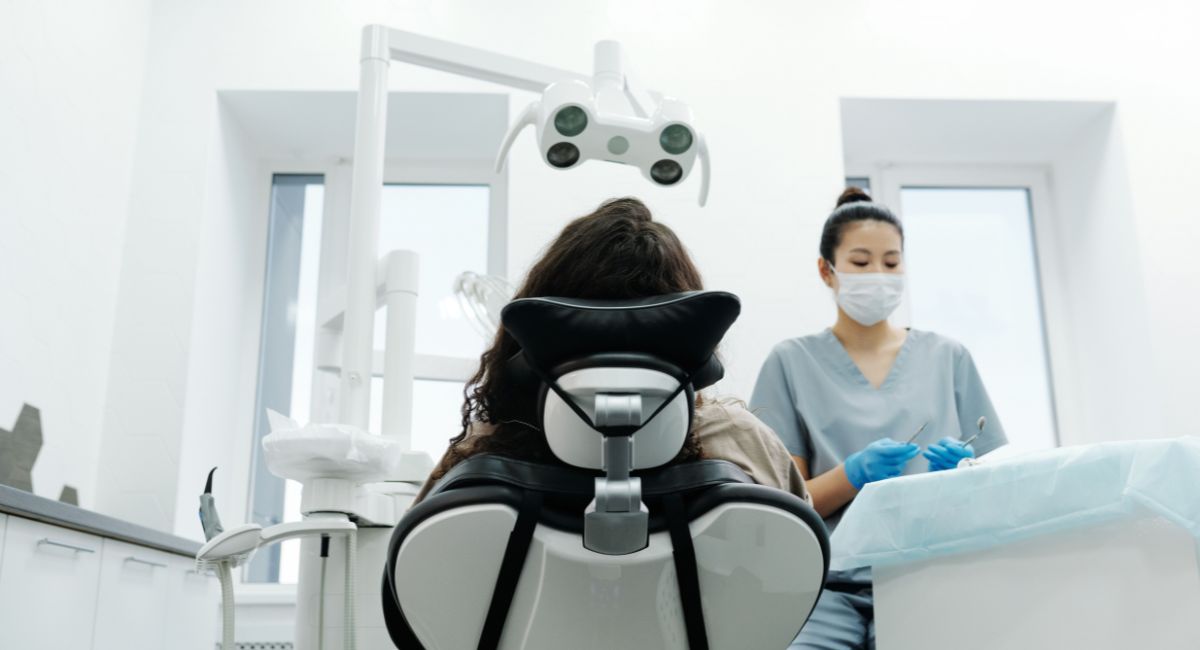
Jaw pain after an injury can be easy to brush off. Maybe you bumped your face, took a fall, or were involved in a sports collision. It hurts for a moment, and then you tell yourself it will pass. But what if it does not? What if the pain gets worse, or you notice swelling, difficulty chewing, or trouble opening your mouth?
The truth is that jaw pain following trauma is not always minor. In some cases, it can signal a dental emergency that requires prompt professional attention. Knowing the difference between normal soreness and a serious problem can help protect your oral health and prevent long-term complications.
This guide explains what causes jaw pain after trauma, the warning signs to watch for, and when you should seek emergency dentistry in Tumwater right away.
What Happens to Your Jaw During Physical Trauma?
Your jaw is made up of the mandible (lower jaw), temporomandibular joints (TMJ), muscles, ligaments, teeth, and surrounding bone structures. When a sudden impact affects the face or mouth, one or more of these structures can be injured.
Even what seems like a minor accident can cause damage that is not immediately visible. Teeth may become cracked beneath the gum line, the jaw joint can become strained or dislocated, and small fractures in the jawbone may not be obvious without professional imaging.
Because many injuries are hidden below the surface, jaw pain after trauma should never be ignored or self-diagnosed. A professional emergency dentistry in Tumwater is the best way to determine the extent of the damage.
Common Types of Dental and Jaw Injuries After Trauma
Fractured or Broken Jaw
A broken jaw is one of the most serious facial injuries. Symptoms often include severe pain, swelling, bruising, difficulty opening or closing the mouth, and a bite that suddenly feels different. Some patients also notice loose or displaced teeth.
A fractured jaw requires immediate attention and may need imaging, stabilization, or surgical treatment depending on the severity of the injury.
Dislocated Jaw
A jaw dislocation occurs when the lower jaw moves out of its normal position within the temporomandibular joint. This condition can leave the mouth stuck open and make it difficult or impossible to close properly.
Dislocations are often extremely painful and should be treated immediately by a dental or medical professional.
Cracked or Loosened Teeth
Facial trauma frequently affects the teeth. A tooth may become chipped, cracked, loosened, or completely knocked out. In some situations, damage occurs below the surface and cannot be seen without dental X-rays.
Prompt treatment is important because quick intervention may help save the affected tooth and prevent future complications.
TMJ Injuries
The temporomandibular joints allow you to open, close, and move your jaw comfortably. Trauma can strain these joints and the surrounding ligaments, causing pain, stiffness, clicking, popping sounds, or limited jaw movement.
While some TMJ injuries improve with conservative treatment, others require more extensive care.

Warning Signs That Jaw Pain May Be a Dental Emergency
Not every sore jaw requires emergency treatment. However, certain symptoms indicate that the injury may be more serious.
Seek emergency dentists in Tumwater WA as soon as possible if you experience:
- Severe or worsening jaw pain
- Swelling of the jaw, face, or neck
- Difficulty opening or closing your mouth
- A bite that feels uneven or misaligned
- Loose, displaced, or knocked-out teeth
- Numbness in the lips, chin, or teeth
- Bleeding from the gums or around a tooth
- Jaw clicking, locking, or popping accompanied by pain
Any of these symptoms following facial trauma should be evaluated promptly by a dental professional.
Why Delaying Emergency Dental Care Can Make Things Worse
One of the biggest mistakes people make after an oral injury is assuming the discomfort will improve on its own. While mild soreness may resolve naturally, more serious injuries can worsen when left untreated.
An undiagnosed jaw fracture may heal incorrectly, resulting in long-term bite problems and reduced jaw function. A cracked tooth can become infected, leading to pain, swelling, and possible tooth loss. Similarly, a knocked-out tooth has the highest chance of successful reimplantation when treated as quickly as possible, ideally within 60 minutes of the injury.
Seeking immediate care often leads to better outcomes, fewer complications, and may help reduce treatment costs in the future.
What to Expect During an Emergency Dental Visit
When you visit a dental office for jaw pain after trauma, the dental team will begin with a thorough evaluation.
This typically includes:
- Reviewing how the injury occurred
- Examining the jaw, teeth, and surrounding tissues
- Assessing jaw movement and bite alignment
- Taking dental X-rays or other imaging to identify hidden damage
Once the cause of the pain is identified, treatment may involve stabilizing loose teeth, managing fractures, addressing infections, relieving pain, or coordinating care with an oral surgeon when necessary.
The primary goal is to reduce discomfort, prevent further damage, and support a full recovery.
Frequently Asked Questions
How do I know if my jaw is fractured or just bruised?
A bruised jaw typically causes mild soreness and stiffness that gradually improves within a few days. A fracture often causes severe pain, swelling, difficulty moving the jaw, bite changes, or numbness. Because symptoms can overlap, imaging is usually needed to confirm a fracture.
Can jaw pain after trauma be a sign of a dental infection?
Yes. Trauma can create cracks in teeth that allow bacteria to enter the inner tooth structure. Over time, this can lead to infection or an abscess. Signs may include increasing pain, swelling, fever, or an unpleasant taste in the mouth.
What should I do if a tooth is knocked out?
Handle the tooth by the crown, not the root. Gently rinse it if necessary, but avoid scrubbing. If possible, place the tooth back into its socket. If that is not possible, keep it moist in milk or saliva and seek emergency dental care immediately.
Is jaw clicking or popping after trauma serious?
Occasional clicking may occur after a minor strain and improve on its own. However, persistent clicking accompanied by pain, locking, or difficulty moving the jaw could indicate a TMJ injury that requires professional evaluation.
Conclusion
Jaw pain after trauma should never be ignored. Whether the injury resulted from a sports accident, a fall, or another impact to the face, damage to the jaw, teeth, or surrounding structures may be more serious than it first appears.
Recognizing the warning signs and seeking prompt treatment can help protect your oral health and prevent long-term complications. If you or a loved one is experiencing jaw pain, swelling, bite changes, or difficulty moving the jaw after an injury, do not delay care.
The caring team at Affordable Family Dental Tumwater provides prompt, personalized emergency dental treatment to help diagnose the problem, relieve discomfort, and protect your smile. Early evaluation supports a smoother recovery and better long-term oral health.
Sources: