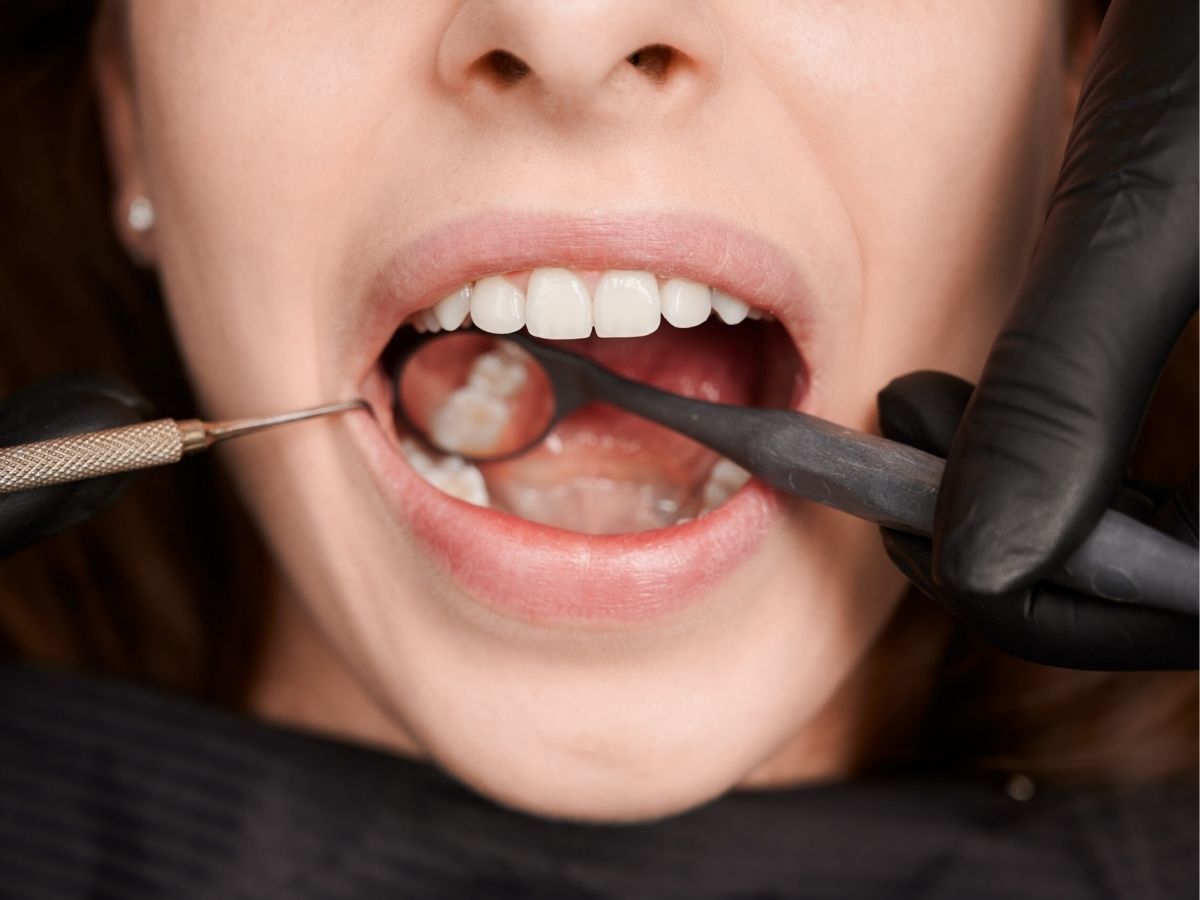
If your dentist has recently recommended a periodontal cleaning, you may be wondering what that actually involves and why a regular cleaning was not enough. It is a common question, and understanding the answer can help ease any anxiety you might feel about the appointment.
A periodontal cleaning, also known as scaling and root planing, is a deeper type of cleaning designed to address gum disease at its source. Unlike a standard preventive cleaning that focuses on the surfaces of your teeth above and just below the gumline, a periodontal cleaning goes further to remove buildup from the root surfaces where bacteria have caused damage to the gum tissue and supporting bone.
At Affordable Family Dental in Tumwater, Washington, we want every patient to feel informed and comfortable before sitting down for treatment. This guide walks you through what a first periodontal cleaning involves, what you will feel during and after the procedure, and how to care for your gums as you recover.
What Is a Periodontal Cleaning and Why Is It Recommended?
Gum disease, also called periodontal disease, develops when bacterial plaque accumulates along and beneath the gumline. Over time, this buildup hardens into tartar and triggers inflammation. Left untreated, the infection can cause the gums to pull away from the teeth, forming pockets that trap even more bacteria.
A standard cleaning can remove surface deposits on healthy teeth. But once gum pockets deepen beyond a certain measurement, typically around four millimeters or more, a deeper cleaning is needed to reach the bacteria living below the gumline and along the tooth roots.
If multiple pockets are found at concerning depths, learning more about periodontics in Tumwater can help you understand what the first step in treating the condition looks like and how progression can be stopped.
What Happens Step by Step During a Periodontal Cleaning?
Knowing what to expect at each stage of the appointment can help you feel more at ease. Here is a general overview of how the visit typically unfolds.
Step 1: Numbing the Treatment Area
Because the cleaning reaches beneath the gumline and along the root surfaces, local anesthesia is typically applied to keep you comfortable. The numbing agent is delivered with a small injection near the treatment area. Most patients feel a brief pinch and then notice very little discomfort for the remainder of the procedure.
Step 2: Scaling the Teeth and Root Surfaces
Once the area is numb, the hygienist uses specialized instruments to carefully remove plaque and hardened tartar deposits from the surfaces of each tooth, including the portions that extend into the gum pockets. This process is called scaling. Both hand instruments and ultrasonic tools may be used depending on the nature and extent of the buildup.
Step 3: Smoothing the Root Surfaces
After scaling, the root surfaces are smoothed in a process called root planing. This step removes any remaining rough areas where bacteria can attach and makes it more difficult for future deposits to form. Smooth root surfaces also allow the gum tissue to reattach more effectively as healing takes place.
Step 4: Finishing and Follow Up Instructions
After the cleaning is complete, your provider will rinse the area and may apply an antimicrobial rinse to help reduce bacteria in the pockets. You will receive instructions on how to care for your gums at home and what to expect over the next few days. A follow-up appointment is typically scheduled several weeks later to evaluate how your gums have responded to treatment.
Is the Entire Mouth Treated in One Appointment?
In many cases, a full periodontal cleaning is divided across two appointments, with one side of the mouth treated at each visit. This approach allows each quadrant to receive thorough attention and gives your mouth a chance to begin healing before the next session.
Some patients with milder or more localized periodontal disease may have the cleaning completed in a single visit. Your dental provider will let you know how many appointments to expect based on the extent of the condition and how the gum pockets are distributed throughout your mouth.
Each appointment typically lasts between one hour and ninety minutes, depending on the amount of buildup present and the number of teeth being treated.
What to Expect After Your First Periodontal Cleaning
It is completely normal to experience some tenderness and mild swelling in the gums for a few days following the procedure. The gum tissue has been disturbed during cleaning, and some level of soreness is a natural part of the healing response.
Light bleeding when brushing or flossing is also common in the first day or two. Your dentist in Tumwater may recommend a gentle saltwater rinse to soothe the tissue and support healing in the days that follow.
Because the anesthesia takes time to wear off, it is a good idea to avoid hot foods and beverages immediately after the appointment to prevent accidental burns. Soft foods are generally recommended for the first day or two. Most patients find that any soreness subsides within a week and that their gums feel noticeably cleaner and less inflamed shortly after.
How to Care for Your Gums After a Periodontal Cleaning
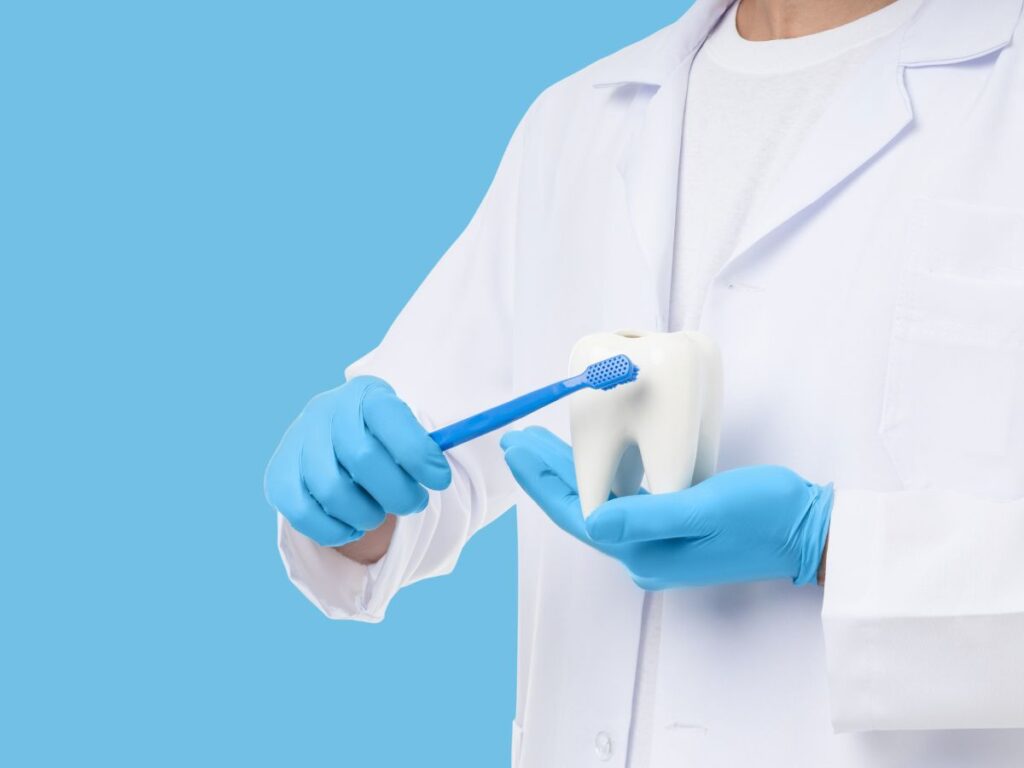
Good at-home care in the days and weeks following your periodontal cleaning plays an important role in how well your gums heal. Here are some habits your dental provider may recommend.
• Brush gently twice a day using a soft-bristled toothbrush. Be thorough but avoid scrubbing with excessive pressure while the gums are healing.
• Floss daily to remove plaque from between teeth and along the gumline. Consistent flossing is one of the most effective ways to prevent future buildup in gum pockets.
• Use any prescribed rinse or medication as directed by your dental provider. Some patients receive a prescription antimicrobial rinse to use during the healing period.
• Attend your follow-up appointment so your provider can measure pocket depths again, assess how well the gum tissue has healed, and determine whether additional treatment is needed.
• Keep up with periodontal maintenance visits going forward. Once you have been treated for gum disease, your provider will likely recommend more frequent cleanings, typically every three to four months, to keep the condition from returning.
Frequently Asked Questions About Periodontal Cleaning
Is periodontal cleaning painful?
Most patients tolerate the procedure well because local anesthesia is used to numb the area being treated. You may feel pressure and movement but should not experience significant pain during the cleaning itself. Any soreness in the hours after the appointment typically responds well to over-the-counter pain relievers and tends to improve within a few days.
How many appointments will my periodontal cleaning take?
This depends on the severity of the gum disease and how widely it is distributed throughout your mouth. Most patients complete the deep cleaning process in two appointments, with each session covering half of the mouth. Your dental provider will outline the recommended treatment plan during your initial evaluation.
Will I need additional treatment after a periodontal cleaning?
After your cleaning is complete and the gums have had time to heal, your dentist will re-evaluate the pocket depths. In many cases, scaling and root planing is enough to bring mild to moderate gum disease under control. If pockets remain significantly deep or the condition has advanced further, additional treatment options such as periodontal disease maintenance therapy or a referral to a periodontist may be discussed.
Can gum disease come back after a periodontal cleaning?
Yes, gum disease can return if plaque and tartar are allowed to build up again along the gumline. This is why consistent oral hygiene at home and regular periodontal maintenance appointments are so important after treatment. Patients who follow their prescribed care routine and attend follow-up cleanings on schedule are better positioned to keep the condition stable over the long term.
Take the First Step Toward Healthier Gums in Tumwater
Periodontal cleaning is a well-established and effective treatment for gum disease, and most patients find it far more manageable than they expected once they understand what the procedure actually involves. Knowing what to anticipate at each stage can make a meaningful difference in how comfortable and confident you feel going into your appointment.
At Affordable Family Dental in Tumwater, Washington, our experienced team takes the time to explain your treatment, answer your questions, and make sure you feel supported throughout the process. If you have been told you may need periodontal cleaning or have noticed signs of gum concerns such as bleeding, swelling, or tenderness, we encourage you to schedule an evaluation.
Reaching out sooner rather than later gives your gums the best chance to respond well to treatment and helps prevent the condition from progressing further. Contact our office today to schedule your appointment.