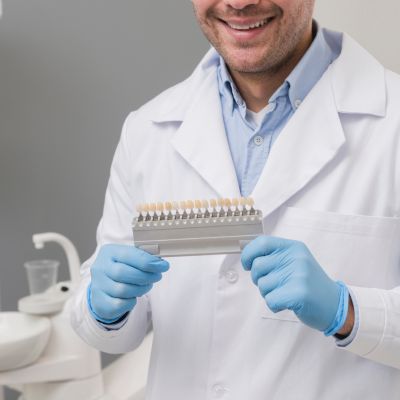
Have you ever looked in the mirror and wished your smile looked a little different? Maybe your teeth are chipped, uneven, stained, or just not quite what you hoped for. You’re not alone. Many people feel self-conscious about their smiles and many are turning to a simple cosmetic solution that can make a real difference in dental veneers.
Dental veneers in Tumwater have become one of the most requested cosmetic procedures because they offer noticeable results with a relatively straightforward process. Whether you want to fix one tooth or transform your entire smile, veneers may be a treatment worth exploring.
In this guide, you’ll learn what veneers are, why they’ve become so popular, who they’re a good fit for, and what to expect if you decide to move forward with treatment.
What Are Dental Veneers?
Dental veneers are thin shells, typically made from porcelain or composite resin, that are custom-made to fit over the front surface of your teeth. Think of them as a cover that improves the look of a tooth without replacing it entirely.
Porcelain veneers are the most popular type. They’re crafted in a dental lab to match the size, shape, and color of your natural teeth. Composite veneers, on the other hand, are applied directly in the dental office and may sometimes be completed in fewer visits than porcelain, depending on the complexity of your case.
Both options are designed to look natural. A skilled dental team will take care to match your dental veneers in Tumwater to the surrounding teeth so the final result blends seamlessly with your smile.
Why Have Dental Veneers Become So Popular for Smile Makeovers?
Several factors have contributed to the growing interest in veneers over the years. Here are the key reasons patients choose this treatment when planning a smile makeover.
They Address Multiple Cosmetic Concerns at Once
One of the biggest appeals of veneers is their versatility. A single veneer can improve the appearance of a tooth that is discolored, chipped, slightly crooked, worn down, or irregularly shaped. Instead of needing several different treatments, veneers may allow patients to address a range of concerns in one step.
For patients who want a comprehensive smile update, veneers applied across multiple teeth can create a consistent, polished look that feels natural and balanced.
They Offer Natural-Looking Results
Modern porcelain veneers are designed to closely mimic the translucency and texture of natural tooth enamel. When crafted properly, they reflect light in a way that looks like a real tooth, not an obvious cosmetic fix.
Patients appreciate that veneers can improve their smile without making it look overdone. The goal is always to enhance what you already have while keeping the result looking like your own teeth just better.
Porcelain Veneers Resist Staining
Natural tooth enamel can absorb stains from coffee, tea, wine, and certain foods over time. Porcelain veneers are non-porous, which means they’re much more resistant to staining than natural enamel. It’s worth noting that composite veneers do not share this advantage; composite resin can absorb stains over time, similar to or more than natural enamel.
This is one reason patients who have struggled with persistent tooth discoloration find veneers to be a helpful long-term solution. With proper care, porcelain veneers can maintain a bright, consistent shade for many years.
Who Is a Good Candidate for Dental Veneers?
Veneers are a cosmetic treatment, which means the primary goal is improving how your smile looks. They’re generally a good fit for patients who:
- Have teeth that are chipped, cracked, or worn at the edges
- Experience deep staining that doesn’t respond well to whitening treatments
- Have minor spacing issues or slight gaps between teeth
- Have teeth that appear uneven in size or shape
- Want a consistent, brighter appearance across their smile
However, veneers may not be recommended in every situation. Patients with significant tooth decay, gum disease, or those who grind their teeth heavily may need to address those issues first. Your dental team will review your oral health thoroughly before recommending any cosmetic treatment.
Good oral hygiene habits are also important before and after getting veneers. The underlying tooth and gum health still matters, even with a veneer on the surface.
What to Expect During the Veneer Process
The process for getting porcelain veneers typically takes two to three appointments. Here’s a general idea of what to expect.
Consultation and Planning
Your dentist will examine your teeth, discuss your smile goals, and take X-rays or impressions if needed. This is the time to ask questions and understand your options fully.
Tooth Preparation
A small amount of enamel is gently removed from the front surface of the tooth to create space for the veneer. Temporary veneers may be placed while your permanent ones are being made in the lab.
Placement and Bonding
Once your custom veneers are ready, your dentist will check the fit and color, make any adjustments, and permanently bond them to your teeth.
The entire process is generally well-tolerated. Your dental team can discuss comfort options with you during your consultation.
How to Care for Your Veneers After Treatment
Veneers are a long-term investment in your smile, and caring for them properly may help extend their lifespan. Here are a few tips your dental team is likely to share:
- Brush twice a day with a non-abrasive toothpaste
- Floss daily to protect the gum line around each veneer
- Avoid biting on hard objects like ice or pen caps
- Wear a night guard if you tend to grind your teeth while sleeping
- Keep up with regular dental check-ups and cleanings
With good habits and routine dental care, porcelain veneers can last anywhere from 10 to 15 years and in some cases even longer making them a worthwhile long-term investment in your smile.

Frequently Asked Questions
Do Dental Veneers Look Fake or Unnatural?
When crafted carefully by an experienced dental team, veneers are designed to blend naturally with your surrounding teeth. The color, shape, and size are all customized to match your existing teeth and the look you’re going for.
The result depends on careful planning, quality materials, and skilled placement which is why choosing the right dental provider matters.
Are Dental Veneers Permanent?
Veneers are considered a long-term cosmetic treatment, but they’re not permanent in the sense that they may need to be replaced over time. Because a small layer of enamel is removed during preparation, the tooth will always need some form of veneer coverage going forward. This is an important consideration to discuss with your dentist before starting treatment.
With proper care, porcelain veneers can last 10 to 15 years or more. Your dentist in Tumwater will help you understand the expected lifespan based on your specific situation.
Can Veneers Fix Crooked Teeth?
Veneers can improve the appearance of mildly uneven or slightly misaligned teeth by covering the front surface and creating a more uniform look.
However, they’re a cosmetic solution, not an orthodontic one. If significant alignment issues are present, your dentist may recommend orthodontic treatment as a first step or as an alternative.
During your consultation, your dental team can help you determine whether veneers, orthodontics, or a combination approach would best meet your goals.
How Much Do Dental Veneers Cost?
The cost of veneers varies depending on the number of teeth being treated, the type of veneer (porcelain or composite), and the specifics of your case. Porcelain veneers typically cost more than composite veneers but are also known for their durability and natural appearance.
Because veneers are generally considered a cosmetic procedure, they may not be covered by dental insurance. It’s worth asking your dental office about financing options or payment plans that can make treatment more accessible.
Conclusion
Dental veneers have earned their place as one of the most popular cosmetic dental treatments for good reason. They’re versatile, natural-looking, and can address a wide range of smile concerns from deep stains and chips to uneven spacing and worn edges. Candidacy depends on your individual oral health. Your dentist will assess whether veneers are the right fit for your case.
If you’ve been thinking about updating your smile but aren’t sure where to start, a consultation is always a helpful first step. A dental professional can review your oral health, walk you through your options, and help you decide whether veneers are the right fit for your goals.
At Affordable Family Dental Tumwater, our team is here to answer your questions and guide you through every step of the process in a comfortable, judgment-free environment. Reach out today to schedule your consultation and find out whether veneers could be right for you.
Sources:
- https://my.clevelandclinic.org/health/treatments/23522-dental-veneers
- https://pmc.ncbi.nlm.nih.gov/articles/PMC3652364/
- https://www.colgate.com/en-us/oral-health/veneers/dental-veneers-pros-and-cons
- https://en.wikipedia.org/wiki/Veneer_(dentistry)