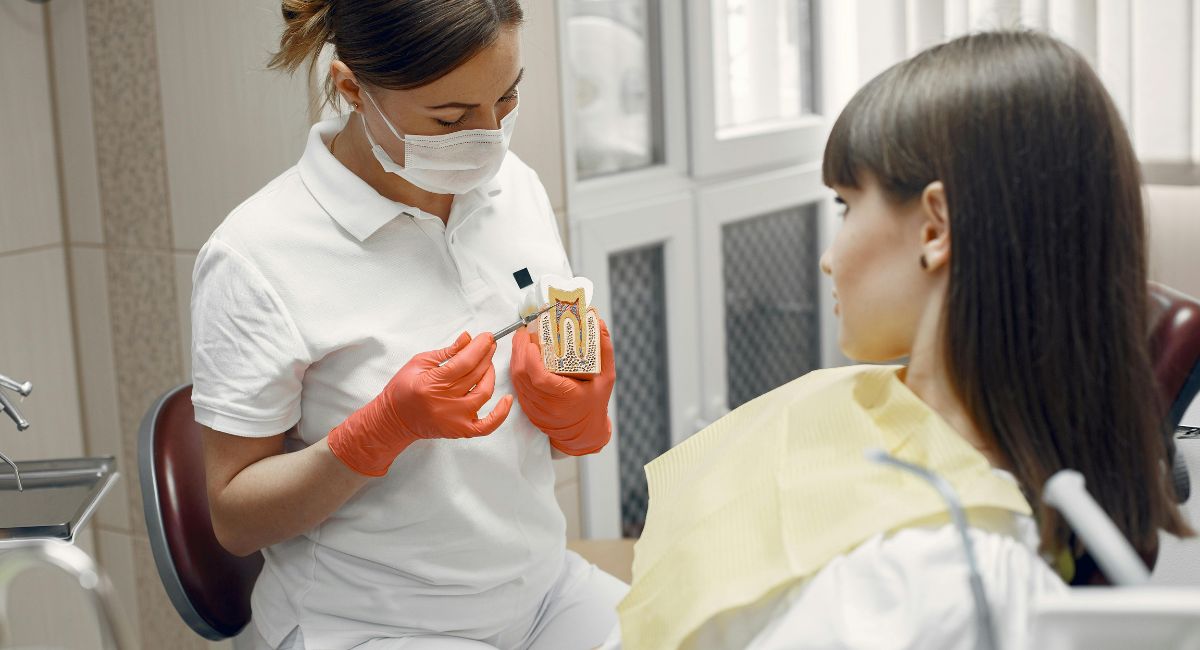
Category: Root Canal

  • What Are Signs You Need Root Canal Therapy?

    What Are Signs You Need Root Canal Therapy?

    That nagging toothache you’ve been ignoring? It might be telling you something important. Many people put off dental visits hoping tooth pain will go away on its own but some symptoms are your mouth’s way of warning you that deeper trouble is brewing inside the tooth.

    Root canal therapy in Tumwater is one of the most misunderstood dental treatments. Most patients are relieved to discover that the procedure itself is far less uncomfortable than the pain that made them seek help in the first place. Understanding the warning signs early can make a significant difference both for your comfort and your long-term oral health.

    In this post, we’ll walk you through the most common signs that root canal therapy may be needed, what the treatment involves, and why acting early tends to lead to better outcomes.

    Persistent Tooth Pain That Won’t Go Away

    One of the clearest signals that something is wrong inside a tooth is pain that lingers. This isn’t the brief sensitivity you might feel after eating something cold, it’s a deeper, duller ache that may come and go but never fully disappears.

    The pain may originate in one tooth but radiate to your jaw, ear, or even the surrounding teeth. That happens because the nerve inside the tooth’s root is inflamed or infected, and nerve signals don’t always stay neatly contained to one spot.

    If you’ve had tooth pain for more than a few days, especially if it wakes you up at night or makes it hard to concentrate, that’s a sign worth taking seriously. Early evaluation can help determine whether root canal therapy in Tumwater is the right course of action.

    Sensitivity That Lingers After Hot or Cold Foods

    Some tooth sensitivity is normal. Biting into cold ice cream or sipping hot coffee occasionally causes a brief twinge for many people. But when that sensitivity lingers for 30 seconds or more after the food or drink is gone, the nerve inside the tooth may be damaged.

    This type of prolonged sensitivity can indicate that the pulp of the soft tissue at the center of the tooth containing nerves and blood vessels is inflamed or beginning to break down. The longer this goes unaddressed, the more likely infection can set in.

    Is Sensitivity Always a Sign of a Root Canal?

    Not necessarily. Sensitivity can also be caused by a cracked tooth, worn enamel, or gum recession. However, when sensitivity is intense, one-sided, and lingers well after the triggering food or drink is removed, a dental examination is the only way to determine the cause.

    Darkening or Discoloration of a Tooth

    Teeth can become discolored for many reasons, coffee, tea, age, and certain medications among them. But when a single tooth starts to look noticeably darker than its neighbors, it may be a sign that the nerve tissue inside has died or is dying.

    This type of discoloration often appears as a grayish or brownish tint. It happens when internal tissue breaks down and the byproducts of that process begin to show through the tooth’s outer layers.

    A darkened tooth doesn’t always hurt, which is part of what makes it easy to overlook. But a tooth with a dead nerve is still vulnerable to infection, and leaving it untreated can lead to more significant problems over time.

    Swelling, Tenderness, or a Pimple on the Gums

    If you notice swelling along the gum line near a specific tooth especially if it’s tender to the touch that’s a warning sign worth addressing promptly. Swelling often indicates that an infection has spread from the tooth’s root into the surrounding tissue.

    In some cases, a small raised bump may appear on the gum near the affected tooth. This is sometimes called a dental abscess or a “gum pimple.” It may release a bad taste in your mouth if it drains, which can temporarily reduce pain but that does not mean the infection has resolved. It means the infection needs professional treatment.

    What Happens If a Dental Abscess Goes Untreated?

    A dental abscess left untreated can worsen over time. The infection may spread to surrounding teeth, the jawbone, or in serious cases to other parts of the body. This is why any unexplained swelling near a tooth should be evaluated by a dentist in Tumwater provider as soon as possible.

    Pain When Chewing or Applying Pressure

    Biting down or pressing on a tooth should not cause pain. If you find yourself avoiding one side of your mouth while eating, or if tapping the tooth with your tongue creates a dull ache, the tissue inside or around the root may be inflamed.

    This kind of pressure sensitivity can develop gradually. You might notice it first with hard foods, then with softer ones, and eventually with almost anything. That progression often signals that the pulp is infected and that the infection may be beginning to affect the area just outside the tooth’s root tip.

    A Cracked or Chipped Tooth With Pain

    Cracks and chips aren’t always painful; many are purely cosmetic concerns. But when a crack runs deep enough to reach the pulp of the tooth, bacteria can enter and cause infection. This is especially common after dental trauma, such as a sports injury or biting down on something unexpectedly hard.

    If you’ve recently chipped or cracked a tooth and notice persistent pain, sensitivity, or swelling in the area, it’s worth having it evaluated. Even a crack that isn’t visible to the naked eye can be causing significant internal damage.

    Frequently Asked Questions 

    Does Root Canal Therapy Hurt?

    This is one of the most common concerns patients have, and it’s completely understandable. Modern root canal therapy is performed with local anesthesia, which numbs the area before any work begins. Most patients report that the procedure feels similar to having a filling placed. Any mild soreness afterward typically resolves within a few days with over-the-counter pain relief.

    How Long Does Root Canal Therapy Take?

    The length of treatment depends on which tooth is involved and the severity of the infection. Most root canal procedures are completed in one to two appointments. Front teeth with a single root are generally quicker to treat, while back molars with multiple roots may require a bit more time.

    Can I Wait to Get a Root Canal If My Pain Goes Away?

    It’s tempting to assume the problem resolves itself when pain subsides, but this often isn’t the case. The nerve inside the tooth may have died, which can stop the pain temporarily but the infection may still be active and spreading. It’s always better to have a dental provider evaluate the tooth and confirm whether treatment is still needed.

    Will I Need a Crown After Root Canal Therapy?

    In most cases, yes. After the pulp is removed and the root canals are cleaned and sealed, the tooth becomes more brittle over time. A dental crown is typically recommended to protect the treated tooth and restore its normal function. Your dental provider will walk you through what’s needed based on your specific situation.

    Conclusion

    Tooth pain is your body’s way of asking for attention. The signs described in this post persistent aching, lingering sensitivity, gum swelling, tooth discoloration, or pain with pressure are all worth having evaluated by a dental professional. Waiting rarely makes things better and can allow a manageable problem to become a more complex one.

    At Affordable Family Dental, the goal is to help patients in the Tumwater area feel comfortable, informed, and confident in their dental care decisions. 

    If you’ve been experiencing any of these symptoms, consider scheduling a consultation to get a clear picture of what’s going on and what options may be available to you.

    Source Urls:
    1. https://medlineplus.gov/ency/article/007275.htm
    2. https://www.ncbi.nlm.nih.gov/books/NBK587367/
    3. https://www.ncbi.nlm.nih.gov/books/NBK587367/
    4. https://www.betterhealth.vic.gov.au/health/conditionsandtreatments/root-canal-treatment
  • What Happens During Root Canal Therapy in Tumwater?

    What Happens During Root Canal Therapy in Tumwater?

    If you’ve been told you need root canal therapy, you’re probably feeling a little anxious and that’s completely understandable. Many patients picture root canals as something painful and scary. The truth is, modern root canal therapy is a routine dental procedure designed to relieve pain, not cause it. 

    Understanding exactly what happens during the process can go a long way in easing your worries. Whether you’ve been experiencing a persistent toothache, sensitivity to heat and cold, or swelling around a tooth, root canal therapy in Tumwater may be the solution your dentist recommends. 

    This guide will walk you through the entire process step by step so you know what to expect before, during, and after your appointment.

    Why Would You Need Root Canal Therapy?

    Inside every tooth is a soft layer of tissue called the pulp. This pulp contains nerves, blood vessels, and connective tissue. While it plays an important role during tooth development, it’s not essential for a fully mature tooth to function.

    When the pulp becomes infected or inflamed due to deep decay, a cracked tooth, or repeated dental procedures bacteria can begin to multiply inside the tooth. Left untreated, this infection can spread to surrounding bone and tissue, potentially leading to more serious health concerns.

    Root canal therapy in Tumwater removes the damaged pulp, cleans and disinfects the inside of the tooth, and seals it to prevent reinfection. The goal is to save your natural tooth rather than extract it.

    What Happens During Root Canal Therapy in Tumwater?

    Step 1: Examination and X-Rays

    Before the procedure begins, your dentist will take X-rays to assess the shape of the root canals and identify any signs of infection in the surrounding bone. This helps them plan the treatment accurately.

    You may also be asked about any symptoms you’ve been experiencing, such as pain when biting, prolonged sensitivity, or visible swelling. A thorough examination ensures the right approach is taken for your specific case.

    Step 2: Local Anesthesia

    One of the most common concerns patients have is whether root canal therapy hurts. Your dentist in Tumwater will administer a local anesthetic to numb the area around the affected tooth. Most patients report feeling little more than the initial injection.

    Once the tooth and surrounding tissue are numb, you should feel comfortable throughout the procedure. Many patients are surprised to find that the experience is not much different from getting a routine dental filling.

    Step 3: Placing a Dental Dam

    To keep the treatment area dry and free from saliva, your dentist will place a thin sheet of rubber called a dental dam around the tooth. This also helps prevent bacteria from contaminating the area during the procedure.

    The dental dam is a standard part of root canal treatment and plays an important role in keeping the procedure clean and effective.

    Step 4: Accessing the Pulp

    Once the area is numb and protected, your dentist will create a small opening in the top of the tooth. This access point allows them to reach the infected pulp inside the root canals.

    Using very fine dental instruments, the pulp tissue is carefully removed from each canal. This step eliminates the source of infection and the nerve tissue responsible for pain.

    Step 5: Cleaning and Shaping the Canals

    After the pulp is removed, the canals are cleaned, shaped, and disinfected using small files and an antibacterial solution. This step is critical to removing all bacteria and debris that could cause reinfection.

    Each canal is carefully measured and shaped to prepare for the filling material that will be placed inside. Depending on the complexity of the tooth, this process may take anywhere from 30 minutes to over an hour.

    Step 6: Filling and Sealing the Tooth

    Once the canals are clean and dry, they are filled with a biocompatible material called gutta-percha. This rubber-like material seals the canals and prevents bacteria from re-entering.

    The access opening at the top of the tooth is then sealed with a temporary or permanent filling. In many cases, your dentist will recommend placing a dental crown over the tooth afterward to protect and restore its strength.

    What to Expect After Root Canal Therapy

    Recovery and Mild Discomfort

    It’s normal to experience some tenderness or mild soreness in the treated area for a few days after the procedure. This is typically manageable with over-the-counter pain relievers, and any discomfort usually fades within a week.

    Avoid chewing hard foods on the treated side until a permanent restoration is placed. Your dentist will give you specific aftercare instructions to follow.

    Returning to Normal Function

    Most patients can return to their regular daily activities the day after treatment. The tooth may feel slightly different at first, but with proper restoration, it should function much like your other teeth.

    Once a crown is placed over the treated tooth, it can last for many years with good oral hygiene and regular dental checkups.

    Frequently Asked Questions 

    Is root canal therapy painful?

    This is one of the most frequently asked questions and the honest answer is no, it shouldn’t be. The procedure is performed under local anesthesia, which effectively numbs the tooth and surrounding tissue. Most patients report that the discomfort they felt before the procedure, from the infection itself, was far worse than the treatment. Any post-procedure soreness is usually mild and temporary.

    How long does a root canal procedure take?

    The length of a root canal appointment depends on which tooth is being treated and the complexity of the root canal system. Front teeth, which typically have one root canal, may be completed in about 60 minutes. Back teeth, such as molars, have more root canals and may require 90 minutes or more. In some cases, a second appointment may be needed to complete the treatment.

    Do I really need a crown after root canal therapy?

    In most cases, yes. After root canal therapy, the tooth becomes more brittle because its internal structure has been altered. A dental crown helps protect the tooth from fracture and restores its full chewing function. Your dentist will assess your specific situation and recommend the most appropriate restoration.

    What happens if I don’t get a root canal when I need one?

    If an infected tooth is left untreated, the infection can spread to surrounding teeth, the jawbone, and even nearby soft tissue. In rare cases, dental infections can become serious health concerns. Treating the problem early with root canal therapy may help you avoid tooth loss and more complex dental issues later on.

    Conclusion

    Root canal therapy is a well-established dental procedure that can relieve pain, save your natural tooth, and help protect your long-term oral health. Understanding what happens during each step of the process makes it much easier to walk into your appointment feeling informed and prepared.

    At Affordable Family Dental, our caring dental team is here to support you every step of the way from your initial consultation through recovery. If you’ve been experiencing tooth pain or sensitivity, don’t wait. 

    Scheduling an evaluation early may help you avoid more extensive treatment down the road. Reach out to us today to take the next step toward a healthier, more comfortable smile.

    Source Urls:

    1. https://www.aae.org/patients/root-canal-treatment/what-is-a-root-canal/
    2. https://my.clevelandclinic.org/health/treatments/21759-root-canal
    3. https://www.aae.org/patients/root-canal-treatment/what-is-a-root-canal/root-canal-explained/
    4. https://www.colgate.com/en-in/oral-health/root-canals/illustrations-root-canal-treatment-from-start-to-finish
  • Is a Dental Crown Always Necessary After a Root Canal?

    Is a Dental Crown Always Necessary After a Root Canal?

    You just found out you need a root canal and now your dentist is also recommending a dental crown. It’s a lot to process. Many patients in Tumwater, WA ask the same question: do I really need a crown after a root canal, or is it optional?

    The short answer is it depends. Not every tooth treated with a root canal automatically requires a crown. But in many cases, placing a dental crown after a root canal is one of the most important steps in protecting your long-term oral health. Understanding why can help you make a confident, informed decision about your treatment.

    In this post, you’ll learn what happens to a tooth after root canal therapy, when a crown is typically recommended, when it may not be needed, and what factors your dentist will consider before making a recommendation.

    What Happens to a Tooth After Root Canal Therapy?

    Root canal therapy removes the infected or damaged pulp from inside the tooth. While this process stops the infection and relieves pain, it also changes the structure of the tooth itself.

    Once the pulp is removed, the tooth no longer receives moisture and nutrients from the inside. Over time, this can cause the tooth to become more brittle than a healthy, living tooth. A dry, weakened tooth is more likely to crack or fracture especially under the pressure of everyday chewing.

    This is the core reason why a dental crown is often recommended after a root canal. A crown fits over the entire visible portion of the tooth, acting as a protective shell that holds the tooth together and restores its full function.

    When Is a Dental Crown Recommended After a Root Canal?

    In most situations, your dentist will recommend a crown following root canal treatment. Here are the most common scenarios where a crown is considered the right next step.

    Back Teeth (Molars and Premolars)

    After a root canal, placing dental crowns in Tumwater on a back tooth is almost always recommended because the bite forces involved are significant enough to fracture an unprotected tooth.

    Without a crown, a molar or premolar that has had root canal therapy is at a much higher risk of cracking. In some cases, a cracked tooth cannot be saved and may need to be extracted entirely.

    Teeth With Large Fillings or Significant Decay

    If the tooth already had a large filling or lost a significant portion of its structure due to decay before the root canal, a dental crown is typically needed. There simply may not be enough natural tooth structure left to support daily function without added protection.

    A crown in this situation is not just cosmetic, it is a structural necessity that helps preserve what remains of the natural tooth.

    Teeth That Show Signs of Cracking

    If your dentist notices early cracking or fracture lines in the tooth during or after root canal treatment, a crown becomes even more important. Covering the tooth promptly can help prevent the crack from spreading further, which could otherwise compromise the entire tooth.

    root canal treatment

    Are There Cases Where a Crown May Not Be Needed?

    Yes there are specific situations where a dental crown after a root canal may not be immediately required.

    Front Teeth (Incisors and Canines)

    Front teeth are used primarily for biting, not heavy chewing. They experience less bite pressure than back teeth. After root canal therapy on a front tooth, a dentist may recommend a simple filling or bonding to seal the tooth rather than a full crown especially if the remaining tooth structure is strong and intact.

    However, even front teeth can benefit from a crown in some cases, particularly if the tooth is visibly discolored, has lost significant structure, or plays a cosmetic role in your smile.

    Minimal Structural Damage

    If the tooth had very little decay prior to the root canal and the overall structure remains solid, your dentist may determine that a large filling is sufficient to protect the tooth. This is evaluated on a case-by-case basis and depends on the location of the tooth, the size of the access point made during the procedure, and your bite pattern.

    How Your Dentist Evaluates the Need for a Crown in Tumwater

    Dentists in Tumwater use several factors to determine whether a crown is necessary after root canal therapy. This is not a one-size-fits-all decision.

    Your dentist will look at the location of the tooth in your mouth, how much natural tooth structure remains, the overall strength and condition of the surrounding teeth and gums, and your individual chewing habits or bite pattern.

    X-rays taken before and after the root canal give a clear picture of what the tooth looks like from the inside. Yourdentist in Tumwater will use this information to make a recommendation based on your actual needs rather than a standard protocol.

    What Happens If You Skip the Crown?

    Choosing not to place a crown after a root canal especially on a back tooth can lead to serious complications down the road.

    Without the protection of a crown, the treated tooth is vulnerable to fracture. A cracked tooth can be painful, difficult to treat, and in severe cases may require extraction. Replacing an extracted tooth with a dental implant or bridge involves additional treatment time and expense that could have been avoided.

    Skipping the crown might seem like a way to simplify your treatment plan in the short term. However, many patients find that protecting the tooth properly from the start is the more practical long-term approach to preserving their natural smile.

    Frequently Asked Questions

    How long after a root canal should I get a crown? 

    Most dentists recommend placing a crown within a few weeks of completing root canal therapy. A temporary filling is usually placed immediately after the procedure to seal the tooth while the permanent crown is being prepared. Delaying too long can leave the tooth vulnerable to reinfection or fracture.

    Does a crown after a root canal hurt? 

    The crown placement procedure itself is generally well tolerated. Your dentist will use local anesthesia to keep you comfortable during the preparation and fitting process. Some mild sensitivity after the appointment is normal and typically settles within a few days.

    How long does a crown last after a root canal? 

    With proper care, regular brushing, flossing, and routine dental visits a dental crown can last many years. The lifespan of a dental crown depends on the material used, your oral hygiene habits, and how much wear and tear the crown experiences over time.

    Can a crowned tooth after a root canal get infected again? 

    While a root canal removes the infected pulp and a crown seals the tooth, it is still possible though uncommon for reinfection to occur if bacteria find their way back into the root system. This is another reason why routine checkups at your dental office are important even after a crowned tooth.

    Conclusion

    A dental crown after a root canal is not always mandatory but for most patients, especially those with treated back teeth, it plays a critical role in protecting the tooth and supporting long-term oral health. Understanding the reasoning behind your dentist’s recommendation helps you feel confident about the care you’re receiving.

    If you’ve recently had root canal therapy or have been told you may need one, the team at Affordable Family Dental in Tumwater, WA is here to walk you through your options. Scheduling a consultation is a straightforward way to get clear answers about what your tooth needs and what treatment makes the most sense for you.

Book Appointment