Category: Dental Implant

  • What Happens If You Delay Getting a Dental Implant After Tooth Loss?

    What Happens If You Delay Getting a Dental Implant After Tooth Loss?

    Losing a tooth can feel like a problem you can address later, especially when the gap is in the back of your mouth and not immediately visible. But leaving a missing tooth unreplaced is rarely a neutral decision for your oral health. Over time, the surrounding jawbone, neighboring teeth, and overall bite can all be affected by an unfilled gap, and those changes may influence what tooth replacement involves if you choose to pursue it down the road.

    Understanding what may happen when you delay getting a dental implant after tooth loss can help you have a more informed conversation with your dental team about timing and options. This article outlines the clinical reasons why earlier evaluation is generally worth considering, and what your dental team may need to assess if a meaningful amount of time has already passed since a tooth was lost. Every situation is different, and an evaluation is always the right starting point.

    At a Glance

    • Jawbone in the area of a missing tooth can begin to change within months of tooth loss, as it no longer receives stimulation from a tooth root
    • Research indicates that a meaningful portion of bone width may be lost within the first year after extraction
    • Adjacent teeth may gradually drift or tilt into the gap, which can affect bite alignment and make implant placement more complex
    • The longer treatment is delayed, the more likely additional procedures, such as bone grafting, may be needed before an implant can be placed
    • An early evaluation does not commit you to treatment; it gives you a clearer picture of your current options based on your individual oral health

    Why Does the Jawbone Change After a Missing Tooth?

    When you lose a tooth, the jawbone in that area no longer receives the stimulation it needs to maintain its density. Under normal conditions, the pressure transmitted through a tooth root during biting and chewing signals the bone to renew itself. Without that signal, the bone gradually resorbs, meaning the body begins to break it down and redirect those resources elsewhere.

    This process can begin relatively quickly. Published research suggests that meaningful bone width loss may occur during the first several months following extraction, with continued, though slower, resorption over subsequent years. The extent and rate of bone loss vary by individual and depend on factors such as the location of the missing tooth, overall bone health, and whether any preservation measures were taken at the time of extraction.

    For patients considering dental implants in Tumwater, the practical implication is this: a jawbone evaluated shortly after tooth loss may, in many cases, have more available volume than one that has gone unsupported for an extended period, though individual bone health, gum condition, and other clinical factors always play a role in determining what treatment may involve. A jawbone evaluated years later may require preparatory work before implant placement can proceed, depending on what the assessment finds.

    What Happens to Surrounding Teeth When a Gap Is Left Unfilled?

    Teeth stay in position partly because adjacent and opposing teeth provide support on all sides. When one tooth is lost, that balance is disrupted. Over time, the teeth neighboring the gap may begin to tilt or drift sideways into the empty space. The tooth in the opposite jaw, which previously had contact on each bite, may gradually shift toward the gap as well, a process sometimes called over-eruption.

    This movement does not always happen quickly or noticeably, but leaving a gap unfilled for an extended period may contribute to changes in the position of nearby teeth. A dentist in Tumwater can assess changes in tooth position and discuss appropriate treatment options.

    If teeth shift, the spacing and angles between them may change. These changes can sometimes trap food, make cleaning more difficult, and may contribute to a higher risk of decay or gum problems in affected areas.

    From a treatment planning perspective, drifted teeth can also complicate implant placement. In some cases, orthodontic treatment or other preparatory steps may be needed to create adequate space before an implant can be correctly positioned. Addressing the gap earlier, before significant movement occurs, may reduce the complexity of the treatment process, though each patient’s situation is evaluated individually.
    Dental Implants

    How Does Delayed Tooth Replacement Affect Bite and Jaw Function?

    Delaying a dental implant after tooth loss can affect how your upper and lower teeth come together, a change that develops gradually and is easy to overlook until it causes noticeable discomfort.

    When teeth shift into an empty space, the bite pattern changes with them. Uneven contact between upper and lower teeth means that chewing pressure falls in different places than it did before. Some patients find themselves favoring one side of the mouth, placing additional load on teeth that were not designed to carry that force alone. Over time, this uneven distribution may contribute to jaw joint discomfort, muscle tension, or changes in how the jaw moves.

    These symptoms tend to develop slowly and can be easy to attribute to other causes. Mentioning any jaw discomfort, clicking, or bite changes to your dentist, particularly in the context of a missing tooth, helps them assess whether tooth loss is a contributing factor.

    What Additional Procedures May Be Needed After a Long Delay?

    The most common consequence of delaying a dental implant after tooth loss is a reduction in the available bone volume at the implant site. If the jawbone has resorbed significantly, there may not be enough structure to place an implant without rebuilding the foundation first.

    Bone Grafting

    Bone grafting is a procedure in which bone material is added to an area where bone volume has been lost. The graft supports the development of new bone tissue over a healing period, typically several months, before implant placement can proceed. While bone grafting is a well-established procedure, it does add time and additional appointments to the overall treatment process. The full scope and cost of treatment always depends on your individual clinical situation, which your dental team will assess thoroughly during a consultation.

    Gum Tissue Changes

    An empty space in the gum line can also affect the soft tissue in that area over time. Changes in gum contour may require attention before or during implant treatment to achieve a functional and aesthetically appropriate result.

    None of these additional steps makes implant treatment impossible, patients who have waited months or years can still often be candidates after appropriate evaluation and preparation. But earlier evaluation tends to preserve more options and reduce the complexity of the overall treatment plan.

    When Is the Right Time to Evaluate Implant Options After Tooth Loss?

    The right time to evaluate your options is as soon as you are ready to have the conversation, ideally sooner rather than later. An evaluation does not commit you to any particular treatment or timeline. What it does is give you accurate, current information about the state of your bone, gum tissue, and surrounding teeth so that you can make a decision with a clear picture of what your options are. As of 2026, dental implant technology and treatment planning tools allow clinicians to assess your individual situation thoroughly before recommending any course of action. The goal is always to match the treatment to your specific oral health needs, not to apply a one-size-fits-all approach.

    If you have recently lost a tooth or had an extraction and have not yet scheduled a follow-up to discuss replacement options, that conversation is worth having sooner rather than putting off.

    Frequently Asked Questions

    How soon after losing a tooth should I consider a dental implant?

    There is no single answer that applies to every patient, but most dental professionals recommend scheduling an evaluation soon after tooth loss or extraction, before significant bone changes occur. The evaluation itself is informational and does not commit you to any procedure. Your dental team will assess your bone density, gum health, and overall oral condition to help you understand what your options are and when treatment may be most appropriate for your situation.

    Will I definitely need a bone graft if I wait too long to get a dental implant?

    Not necessarily, but the likelihood of needing additional preparatory procedures, including bone grafting, increases the longer a gap remains unfilled. The extent of bone loss that occurs varies by individual, tooth location, and other health factors. Some patients who have waited a year or more still have adequate bone for implant placement without grafting, while others may not. An examination and imaging are the only way to assess your specific situation accurately.

    Can teeth really shift after losing just one tooth?

    Yes, tooth movement after tooth loss is a well-documented clinical occurrence. Adjacent teeth can gradually tilt or drift into the gap over months or years, and the opposing tooth can shift toward the space as well. The rate and degree of movement vary, but once shifting occurs, it can affect bite alignment, cleaning ability, and the spacing needed for implant placement. Catching and addressing a gap early reduces the likelihood that significant tooth movement will complicate future treatment.

    Is it too late to get a dental implant if years have passed since I lost a tooth?

    For many patients, implant treatment remains an option even years after tooth loss, though the evaluation and preparation process may be more involved. Your dental team will assess current bone volume, gum tissue, and overall oral health to determine whether implant placement is appropriate and what, if any, preparatory procedures may be needed first. The only way to know whether you are still a candidate is through a thorough clinical evaluation.

    What is the difference between losing a back tooth and a front tooth, does it matter which one I replace first?

    Both front and back tooth loss carry clinical consequences, though they present differently. Front tooth loss affects appearance and speech more immediately, which often motivates earlier treatment. Back tooth loss may be less visible, but it plays a significant role in chewing function and bite load distribution. Losing a back tooth without replacing it can place undue pressure on remaining teeth and contribute to the same jawbone and shifting concerns described above. Neither type of tooth loss is without consequence if left unaddressed long-term.

    Conclusion

    Delaying a dental implant after tooth loss is a decision that carries real clinical consequences, for your jawbone, your surrounding teeth, your bite, and the complexity of any future treatment. The longer a gap remains unfilled, the more the oral environment in that area can change, and the more preparation may be needed before an implant can be placed.

    At Affordable Family Dental in Tumwater, WA, the team conducts a thorough evaluation of your bone health, gum tissue, and overall oral condition before making any recommendations. If you have a missing tooth or a recent extraction and have questions about your options, scheduling a consultation is a practical first step toward understanding where things stand and what timing may make sense for your situation.

    Sources:

    1. Prevention of Bone Resorption After Tooth Extraction. PubMed Central. https://www.ncbi.nlm.nih.gov/pmc/articles/PMC6926561/ 
    2. After Extraction, Upper Premolars Undergo Programmed Socket Collapse. PubMed Central. https://www.ncbi.nlm.nih.gov/pmc/articles/PMC11851877/ 
    3. Comparative Assessment of Crestal Bone Levels in Immediate Versus Delayed Implant Placement. PubMed Central / Cureus. https://www.ncbi.nlm.nih.gov/pmc/articles/PMC11098562/ 
    4. Evaluation of Implants Placed Immediately or Delayed Into Extraction Sites. ClinicalTrials.gov / NIDCR. https://clinicaltrials.gov/study/NCT00067392 

  • What Materials Are Dental Implants Made Of And Why It Matters

    What Materials Are Dental Implants Made Of And Why It Matters

    If you are considering dental implants to replace a missing tooth, you have likely focused on questions like cost, recovery time, and how long the process takes. But there is another question worth exploring before treatment begins: what are dental implants actually made of, and does the material play a role in your oral health and long-term care?

    It does, and understanding why can help you have more informed conversations with your dental team. The materials used in a dental implant are one of several factors that influence how the implant interacts with your body, how it holds up over time, and what maintenance it may require. 

    Different components, the post, the abutment, and the crown, are each made from different materials, and each serves a distinct clinical purpose. At Affordable Family Dental in Tumwater, WA, every treatment recommendation begins with a thorough evaluation of your individual oral health needs.

    At a Glance

    • Most dental implants use a titanium post placed into the jawbone to serve as an artificial tooth root
    • Titanium is widely used because it is biocompatible and may bond with bone through a process called osseointegration
    • Zirconia (ceramic) implants are an alternative that some patients and clinicians consider for specific clinical situations
    • The implant crown, the visible tooth, is typically made from porcelain, zirconia ceramic, or porcelain-fused-to-metal
    • Material choice is one of several factors that can affect durability, appearance, and how the body responds to the implant over time

    What Are the Three Main Parts of a Dental Implant?

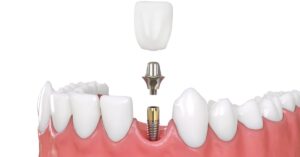
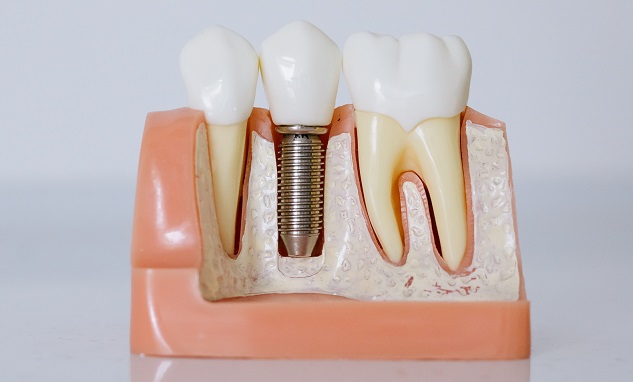
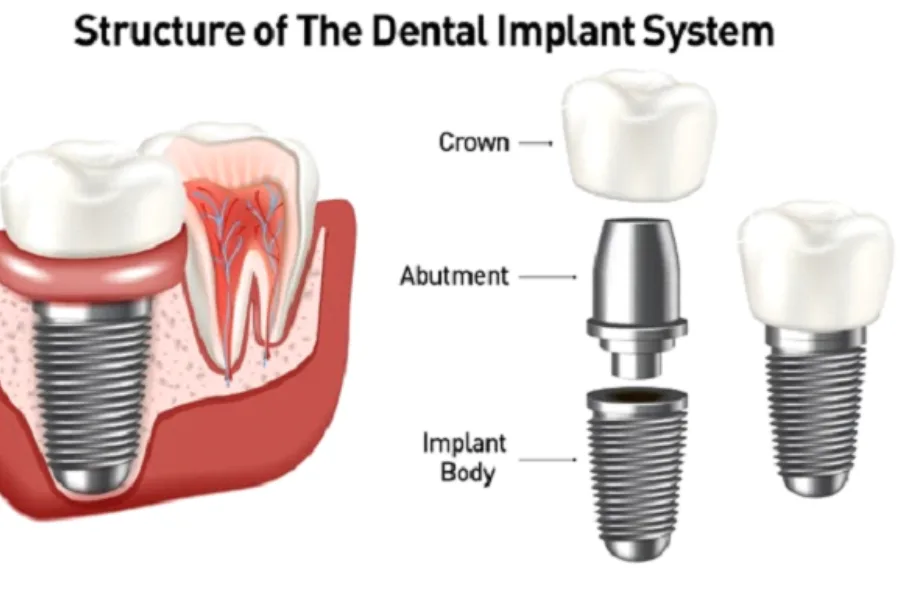
    A dental implant is not a single piece, it is a three-part restoration, and each part is made from different materials with specific roles.

    The implant post is the part placed surgically into the jawbone. It serves as an artificial tooth root and must be strong enough to withstand daily bite forces while also being well-tolerated by the body. Dental implants in Tumwater use this same foundation to provide a stable base for replacing missing teeth.

    The abutment is a small connector piece that sits above the gumline once the implant has healed. It links the post to the final visible crown.

    The crown is the custom-made tooth that sits on top of the abutment. It is typically fabricated to match the general color and shape of the surrounding teeth.

    Understanding each component separately helps explain why different materials are used in different parts of the same restoration.

    Why Is Titanium the Most Common Material for the Implant Post?

    Titanium is the most widely used material for dental implant posts because of its biocompatibility and its ability to integrate with living bone tissue, a process called osseointegration.

    Osseointegration is what may make an implant stable over time. When a titanium post is placed into the jawbone, the surrounding bone can gradually grow around and attach to its surface. A dentist in Tumwater, WA can evaluate healing and monitor the implant’s stability during this process. This process typically takes several months and is considered a key factor in implant stability. Individual healing outcomes vary based on bone quality, overall health, and other clinical factors.

    Titanium has several properties that make it well-suited for implant use:

    • It is biocompatible, meaning most patients tolerate it without an adverse immune response, though individual responses can vary
    • It is highly resistant to corrosion in the oral environment
    • It is engineered to withstand the mechanical forces of biting and chewing
    • Its surface can be treated, often with a slightly rough texture, to support bone attachment during healing

    As of 2026, titanium remains the most widely used and extensively researched material for implant posts, with a substantial body of peer-reviewed clinical data supporting its use in appropriate candidates.

    Dental Implants

    What Is a Zirconia Implant, and Who Might It Be Considered For?

    Zirconia is a ceramic material that serves as an alternative to titanium for patients who prefer or require a metal-free option. Whether zirconia is appropriate for a specific patient depends on a clinical evaluation by a qualified dental professional.

    Zirconia dental implants are white in color, which is one reason some patients and clinicians consider them for cases where thinner gum tissue may allow the grayish tone of a titanium post to show near the gumline. Some patients also inquire about zirconia due to concerns about metal in the body. It is worth noting that titanium is classified as biocompatible and is not a common allergen, however, individual responses to any material can vary, and a full medical and allergy history should always be discussed with your dental team before treatment begins.

    Key differences between titanium and zirconia implants that your dentist may discuss with you include:

    • Appearance: Zirconia is naturally tooth-colored; titanium has a grayish tone
    • Research base: Titanium has a much longer clinical track record; zirconia research is more recent and ongoing
    • Design: Zirconia implants are often one-piece, while titanium implants are typically two-piece (post plus separate abutment)
    • Availability and cost: Zirconia implants may be less widely available and can involve different cost considerations

    Whether zirconia may be a suitable option for your specific situation is a determination your dental team will make based on a clinical evaluation of your bone density, gum structure, and overall oral health.

    What Are Dental Implant Crowns Made Of?

    The crown, the visible part of the implant, is most commonly made from porcelain, zirconia ceramic, or a combination of porcelain fused to a metal base. The appropriate material depends on the location of the implant, the patient’s bite, and clinical judgment.

    Full porcelain or full zirconia crowns are used in many cases because of their tooth-like appearance and translucency. They are a common option for implants in areas of the smile where aesthetics are a priority.

    Porcelain-fused-to-metal (PFM) crowns combine a metal interior for structural support with a porcelain exterior. They have been used in dentistry for many decades. Over time, as gum tissue changes, the metal base may become visible near the gumline in some patients, this is a factor your dentist may discuss when selecting a crown material.

    All-metal crowns (such as gold alloy) are occasionally used in posterior (back) teeth where bite forces are higher and visibility is less of a concern. They are generally not used for implants in visible smile areas.

    Your dental team will recommend a crown material based on clinical factors including the implant location, your bite, and your individual needs and preferences.

    Does Implant Material Affect How Long the Implant Lasts?

    Material selection is one factor that may affect how long an implant restoration holds up, though long-term outcomes depend on multiple clinical and patient-related variables working together.

    A titanium post that achieves successful osseointegration may serve as a long-term restoration. Research indicates that many patients maintain functioning implants for a decade or longer, though individual outcomes vary based on bone quality, gum health, systemic health conditions, and daily habits such as smoking or teeth grinding. No specific lifespan can be guaranteed for any individual patient.

    Crown materials wear differently over time. Porcelain and zirconia can chip under heavy or repeated force. All-metal crowns are resistant to chipping but are typically not used in visible areas. Your dentist will discuss realistic expectations based on your specific clinical situation and the material selected for your restoration.

    Consistent daily care, brushing twice daily, flossing around the implant, and attending scheduled dental visits, is considered one of the most important patient-controlled factors in supporting implant health over time.

    Frequently Asked Questions

    Are dental implants safe for people with metal sensitivities?

    Titanium is biocompatible and not classified as a common allergen, but sensitivities to titanium, while rare, have been documented. If you have a known history of metal allergies or sensitivities, it is important to disclose this to your dental team before any treatment is planned. Dental implants may involve titanium or alternative materials such as zirconia, depending on your specific clinical needs. Your dentist can review your medical history and may discuss whether alternative materials such as zirconia warrant evaluation in your specific case.

    What is osseointegration, and why does it matter?

    Osseointegration is the process by which bone tissue attaches to the surface of a titanium implant post. When it occurs successfully, it contributes to the stability needed to support a crown and withstand daily bite forces. Healing typically takes several months, and your dental team monitors this process before placing the final crown. Successful osseointegration depends on factors including bone quality, oral hygiene, and overall health.

    Is the implant crown made of the same material as the post?

    No, the crown and the post are separate components made from different materials. The post is typically titanium, or zirconia in metal-free cases. The crown is most commonly made from porcelain, zirconia ceramic, or a porcelain-fused-to-metal combination. Each material is selected based on its specific function and the patient’s clinical needs.

    Can the material of a dental implant cause the implant to fail?

    Implant failure related to material intolerance is uncommon, but implant failure can occur for a range of reasons, including infection, inadequate bone density, uncontrolled systemic health conditions, or habits that interfere with healing. This is why a thorough clinical evaluation of your bone structure, gum health, and overall health is an important part of the treatment planning process.

    Does it matter which grade of titanium is used in a dental implant?

    Dental implant components in the United States are subject to FDA clearance requirements. Dental-grade titanium, typically Grade 4 commercially pure titanium or Grade 5 titanium alloy, is used in cleared implant systems. These materials are required to meet established manufacturing and biocompatibility standards. Your dental team can answer questions about the specific implant system used in your treatment.

    Conclusion

    Understanding what dental implants are made of is more than a technical detail, it helps you approach a consultation with informed questions and realistic expectations. Titanium remains the most widely used and extensively researched material for implant posts. Zirconia is an option that some patients and clinicians consider for specific situations, and crown materials are selected based on clinical factors including location, function, and individual needs.

    At Affordable Family Dental in Tumwater, WA, the team conducts a thorough evaluation of your bone health, gum condition, and overall oral health before making any treatment recommendations. If you would like to learn more about dental implant materials or explore whether implants may be appropriate for your situation, the team is available to walk you through the details at a pace that works for you.

    Sources:

    1. Hoornaert, A. et al. (2020). Biocompatibility and osseointegration of nanostructured titanium dental implants in minipigs. Clinical Oral Implants Research. https://pubmed.ncbi.nlm.nih.gov/32058629/ 
    2. Fernandes, P.R.E. et al. (2022). Clinical Performance Comparing Titanium and Titanium–Zirconium or Zirconia Dental Implants: A Systematic Review of Randomized Controlled Trials. Dentistry Journal. https://www.ncbi.nlm.nih.gov/pmc/articles/PMC9140125/ 
    3. American Dental Association — MouthHealthy: Implants
      Covers titanium/biocompatible materials, osseointegration, and the crown component — directly supports most of the post’s core claims.
      https://www.mouthhealthy.org/all-topics-a-z/implants 
    4. Busenlechner, D. et al. (2014). Long-term implant success at the Academy for Oral Implantology: 8-year follow-up and risk factor analysis. Journal of Periodontal & Implant Science. https://pmc.ncbi.nlm.nih.gov/articles/PMC4050226/
  • What Happens If You Delay Replacing a Missing Tooth With Dental Implants?

    What Happens If You Delay Replacing a Missing Tooth With Dental Implants?

    A missing tooth rarely feels like an emergency. There may be no constant pain, and you can often continue chewing comfortably on the other side. However, your mouth does not stay unchanged when a tooth is missing. Over time, the jawbone beneath the gap can gradually lose volume, while nearby teeth may shift toward the empty space. These changes can affect your bite, chewing function, and the overall appearance of your smile.

    If you’re considering dental implants in Tumwater, understanding what can happen after tooth loss may help you make an informed decision about replacement. Delaying treatment for months or years does not necessarily mean implants are no longer possible, but additional assessment or procedures may sometimes be needed depending on your individual situation.

    Whether you lost a tooth recently or several years ago, a dental professional can evaluate your oral health, bone levels, and surrounding teeth to discuss suitable tooth-replacement options.

    At a Glance: Delaying Tooth Replacement

    • Jawbone loss can begin within a few months of losing a tooth, since the bone no longer gets stimulation from a tooth root.
    • Neighboring teeth can start shifting into the gap within weeks, which affects your bite and makes cleaning harder.
    • The longer you wait, the more likely you’ll need added steps, like bone grafting, before an implant can be placed.
    • Chewing on one side and avoiding certain foods can strain your jaw joint and wear down remaining teeth unevenly.
    • Most people are still candidates for a dental implant even years after tooth loss, though the treatment plan may need adjusting.

    What Happens to Your Jawbone When You Delay Tooth Replacement?

    Your jawbone starts to lose density in the area of a missing tooth because it no longer receives the stimulation that a tooth root provides during chewing. This process, called bone resorption, is gradual but steady, and it doesn’t reverse on its own. The bone in that section of your jaw is essentially “told” it isn’t needed, so your body slowly resorbs it.

    Over time, this bone loss can change the shape of the jaw itself. The ridge where the tooth used to be can become thinner and shorter, which is one reason dentists discussing dental implants in Tumwater often bring up timing early rather than later. Bone changes can also affect the surrounding gum tissue and, in more advanced cases, the general contour of the lower face.

    This is one of the main reasons early evaluation matters. The sooner your dentist can assess the site, the more predictable the planning tends to be for replacement options, including implants.

    How Does a Missing Tooth Affect Your Other Teeth Over Time?

    A missing tooth can cause the teeth around it to drift, tilt, or extend into the empty space, sometimes starting within just a few weeks. Teeth are designed to lean on their neighbors for support and alignment. Remove one, and the balance of the whole row can shift.

    The tooth directly across from the gap, whether upper or lower, may also begin to erupt further than normal since it no longer meets resistance when you bite down. Teeth on either side of the space can tilt inward, gradually narrowing the gap, and a dentist in Tumwater may see this create new, harder-to-reach areas where plaque can build up.

    These shifts don’t just affect appearance. They can also throw off your bite alignment, which sometimes leads to uneven wear on your remaining teeth or discomfort in the jaw joint. Left unaddressed long enough, this crowding and misalignment can make orthodontic treatment necessary before a replacement tooth will fit properly.

    Dental Implants

    Can Waiting Too Long Make Dental Implants More Difficult?

    Yes, waiting years after tooth loss can make implant placement more involved, often requiring additional steps like bone grafting to rebuild a stable foundation. This doesn’t mean an implant is off the table. It usually means your dentist needs to do more preparation first.

    According to the ADA’s MouthHealthy resource, a dental implant depends on having enough healthy jawbone and gum tissue to support it, since the implant needs to fuse with the bone through a healing process before it can hold a replacement tooth.

    The good news is that bone grafting is a routine and well-established part of modern implant dentistry. It does add time and typically increases the overall cost of treatment, which is part of why many dentists encourage patients not to wait longer than necessary once they know a tooth needs to be replaced.

    What Other Oral Health Problems Can Develop From an Untreated Gap?

    An untreated gap can increase plaque buildup, raise the risk of gum disease, and affect chewing and speech. Nearby teeth may shift, creating areas that are harder to clean. Many people also chew on one side to avoid the gap, which can place extra stress on the remaining teeth and jaw. Over time, these changes may contribute to further oral health problems.

    Is It Ever Too Late to Get a Dental Implant?

    In most cases, it’s not too late to get a dental implant, even if a tooth has been missing for years. Your dentist will assess your jawbone, gums, and overall health to determine the best treatment approach. Some patients may need procedures such as bone grafting before implant placement.

    While waiting doesn’t rule out implants, it can make treatment more complex. An early evaluation can help keep your options as simple as possible.

    Why Do Dentists Recommend Acting Early After Tooth Loss?

    Dentists recommend early evaluation because bone and tissue changes are easier to prevent than to reverse. Once bone resorption and tooth shifting begin, addressing them requires additional procedures that wouldn’t have been necessary with earlier treatment.

    Replacing a missing tooth with an implant early on helps maintain stimulation to the jawbone, which supports its density over time. It also helps prevent the shifting, crowding, and bite changes that can complicate treatment later.

    Beyond the clinical side, many patients simply feel more comfortable eating, speaking, and smiling once a gap is addressed. Confidence and daily comfort are valid reasons on their own to not put off a consultation.

    Frequently Asked Questions

    How long can I wait before replacing a missing tooth?

    There’s no fixed timeline, but bone loss can begin within a few months of losing a tooth. Many dentists suggest scheduling an evaluation as soon as possible after tooth loss so you understand your options before significant changes occur.

    Will I need a bone graft if I waited years to replace my tooth?

    It depends on how much bone has resorbed in the area. Some patients need a bone graft to rebuild a stable base for an implant, while others still have enough bone for a more straightforward placement. Your dentist can determine this with an evaluation and imaging.

    Does dental insurance help cover the cost of implants after a delay?

    Coverage varies widely by plan, and some insurers apply the cost of an alternative treatment, like a bridge, toward an implant instead of covering it directly. It’s a good idea to review your specific benefits or ask your dental office to help you understand your coverage.

    Are dental implants uncomfortable to get placed?

    Implant placement is done with local anesthetic, and many patients report manageable discomfort afterward that’s often compared to having a tooth extracted. Your dental team can walk you through what to expect and how any post-procedure discomfort is typically managed.

    How do I know if I’m a candidate for a dental implant?

    Candidacy depends on factors like jawbone density, gum health, and overall health history. The most reliable way to know is a consultation and imaging with your dentist, who can review your specific situation and outline your options.

    Conclusion

    A missing tooth may not seem urgent at first, but the changes happening beneath the surface, from bone loss to shifting teeth, tend to build on each other the longer they go unaddressed. The encouraging part is that most patients still have good options for replacement, even after a delay, and getting an evaluation is the clearest way to understand where you stand.

    If you’ve been putting off a decision about a missing tooth, the team at Affordable Family Dental can help you understand your options for dental implants and what treatment might look like based on your specific situation. Early evaluation tends to keep things simpler, so scheduling a consultation is a reasonable next step whether your tooth loss happened last month or several years ago.

    Sources:

    1. American Dental Association — MouthHealthy: Implants
      https://www.mouthhealthy.org/all-topics-a-z/implants
      Confirms: the implant is placed into the jawbone, then the bone heals around it in a process called osseointegration — which is what makes the implant stable — and this can take up to several months.
    2. Use this to replace the current “JADA” attribution. The body currently says “patient education materials from the American Dental Association’s Journal (JADA)” — that’s the wrong document. Change it to reference MouthHealthy instead, e.g.: “According to the ADA’s MouthHealthy resource, a dental implant needs to fuse with your jawbone through a healing process before it can support a replacement tooth.” dentalecostsmile
    3. Cleveland Clinic — Dental Implants: Types, Purpose & Benefits
      https://my.clevelandclinic.org/health/treatments/10903-dental-implants
      Confirms: implants help preserve the jawbone and prevent the sunken facial appearance that happens when the jawbone shrinks after tooth loss, and if there isn’t enough bone, a provider may need to place bone grafts to build it up.
      Best fit for: the “Why Do Dentists Recommend Acting Early” section — this directly backs the jawbone-preservation/early-treatment argument. American Dental Association
    4. Mayo Clinic — Dental Implant Surgery
      https://www.mayoclinic.org/tests-procedures/dental-implant-surgery/about/pac-20384622
      Confirms: if the jawbone isn’t thick enough or is too soft, bone grafting may be needed before implant surgery can happen, since the bone needs to be able to support the pressure of chewing.
  • Are Dental Implants a Better Long-Term Option Than a Bridge for One Missing Tooth?

    Are Dental Implants a Better Long-Term Option Than a Bridge for One Missing Tooth?

    You’re missing one tooth and your dentist has given you two options, a dental implant or a dental bridge. Both can restore your smile and your ability to chew comfortably, but they work in very different ways.

    Many patients in Tumwater, WA want to know which option truly holds up better over time. The answer isn’t the same for everyone. It depends on your jawbone health, the condition of your neighboring teeth, your timeline, and your long-term oral health goals.

    This post breaks down how dental implants and dental bridges compare for replacing a single missing tooth so you can walk into your next appointment with a clear picture of what each option involves.

    How a Dental Implant Works for a Single Missing Tooth

    A dental implant replaces the entire tooth root and all. A small titanium post is surgically placed into the jawbone where the missing tooth once sat. Over several months, the post fuses with the bone in a process called osseointegration.

    Once healed, a custom crown is attached to the post. If you are exploring dental implants in Tumwater, understanding this healing process helps set realistic expectations for the full treatment timeline.

    Because the implant is anchored directly into the jawbone, it does not rely on any neighboring teeth for support. It stands completely on its own.

    How a Dental Bridge Works for a Single Missing Tooth

    A dental bridge fills the gap left by a missing tooth by anchoring an artificial tooth called a pontic to the two teeth on either side of the space. Those neighboring teeth, called abutment teeth, are prepared by removing a layer of enamel so crowns can be placed over them.

    The bridge is then cemented into place as a single connected unit. It is a fixed restoration, meaning it cannot be removed like a partial denture.

    A bridge can be completed in fewer appointments than an implant and does not involve surgery. For some patients, this makes it a more practical short-term solution.

    Key Differences Between Dental Implants and Bridges

    Impact on Neighboring Teeth

    One of the most significant differences between these two options is what happens to the teeth around the gap.

    A dental bridge requires reshaping two healthy neighboring teeth to serve as anchors. Once that enamel is removed, those teeth will always need crowns going forward even if the bridge is eventually replaced.

    A dental implant leaves neighboring teeth completely untouched. This is an important consideration for patients who have otherwise healthy teeth on either side of the missing one.

    Jawbone Health Over Time

    When a tooth is lost, the jawbone underneath begins to shrink gradually because there is no longer a root stimulating it. This process is called bone resorption.

    A dental implant mimics a natural root and continues to stimulate the jawbone after placement. This helps maintain bone density in that area over time.

    A dental bridge sits above the gumline and does not interact with the bone below. Bone loss beneath the bridge can continue, which may eventually affect the fit of the bridge or the appearance of the gum tissue in that area.

    Treatment Timeline

    Dental implant treatment takes longer from start to finish. The healing period after implant placement typically spans several months before the final crown is attached. Patients need to be in good general and oral health before the procedure can begin.

    A dental bridge can usually be completed within a few weeks. If time is a factor or if surgical procedures are not an option, a bridge may be the more suitable path forward.

    Long-Term Maintenance

    A dental bridge requires careful cleaning beneath the pontic using floss threaders or a water flosser to prevent buildup under the false tooth. Without consistent cleaning, decay or gum problems can develop around the abutment teeth.

    An implant is maintained much like a natural tooth: regular brushing and flossing, combined with routine dental checkups. There are no special tools required for daily care.

    When a Dental Implant May Be the Better Long-Term Choice

    For patients with a healthy jawbone and no medical conditions that affect healing, a dental implant in tumwater is often considered the stronger long-term investment for a single missing tooth.

    It preserves the bone, protects neighboring teeth, and is designed to function like a natural tooth for many years with proper care. Patients who want to avoid involving healthy surrounding teeth in their restoration tend to prefer this option.

    Patients considering implants go through a thorough evaluation to confirm that bone density and overall oral health support a successful outcome. If you are looking for a trusted dentist in Tumwater, WA, our team at Affordable Family Dental is here to guide you through every step.

    Dental Implant

    When a Dental Bridge May Be the Right Fit

    A dental bridge may be recommended when the neighboring teeth already have large fillings or crowns and would benefit from the added coverage anyway. In this case, preparing them as bridge abutments makes more clinical sense.

    A bridge is also a practical option when implant surgery is not advisable due to medical factors, insufficient bone volume, or patient preference. It is a well-established restoration that has helped patients replace missing teeth for many decades.

    If a faster treatment timeline is important or if bone grafting would be needed to support an implant, a bridge can offer a reliable and effective alternative.

    What Your Dentist Evaluates Before Making a Recommendation

    Your dentist will assess the health of the bone in the missing tooth area through X-rays or a 3D scan. The condition and strength of the neighboring teeth will also be reviewed carefully.

    Your medical history, any medications you take, and habits like smoking can all affect how well an implant heals. These factors are considered before any recommendation is made.

    Both options require healthy gum tissue and no active signs of gum disease before treatment begins. Addressing any existing periodontal issues first is an important part of preparing for either restoration.

    Frequently Asked Questions

    How long does a dental implant last compared to a bridge? 

    With proper care and regular dental visits, a dental implant can function well for many years. A dental bridge typically lasts around ten to fifteen years before it may need to be replaced, though this varies depending on oral hygiene and bite habits. Individual results will differ based on each patient’s health and maintenance.

    Is the dental implant procedure painful? 

    The implant placement is performed under local anesthesia, so discomfort during the procedure is generally well managed. Some soreness and swelling in the days following surgery is normal. Most patients find that over-the-counter pain relief is sufficient during recovery.

    Can anyone get a dental implant for a missing tooth?

    Not everyone is an immediate candidate. Adequate jawbone density is needed to support the dental implant post. Patients with significant bone loss may require a bone graft first. Certain health conditions and medications can also affect candidacy. A thorough evaluation is needed to determine whether an implant is the right fit.

    Will a bridge or implant look natural? Both options are designed to blend with your surrounding teeth. Crowns used for bridges and the crowns placed on implants are custom-shaded to match your natural tooth color. When placed correctly, either restoration can produce a natural, comfortable-looking result.

    Conclusion

    Dental implants and dental bridges are both well-established options for replacing a single missing tooth but they suit different patients and different situations. An implant preserves the bone and leaves neighboring teeth untouched, making it a strong long-term consideration for suitable candidates. 

    A bridge offers a faster treatment path and may be the better fit when neighboring teeth already need restoration or when implant surgery is not recommended.

    The right choice starts with a proper evaluation. If you are weighing your options for a missing tooth in Tumwater, WA, the team at Affordable Family Dental is here to help you understand what each treatment involves and which one aligns with your oral health needs.

    Reaching out to schedule a consultation is a straightforward first step toward restoring your smile with confidence.

  • Dental Implants Are The Solution For Missing Teeth

    Dental Implants Are The Solution For Missing Teeth

    Dental Implants Are The Solution For Missing Teeth

    Dental Implants Are The Solution For Missing Teeth. Missing teeth can cause a lot of problems with chewing and patients’ confidence in their smile. Having a healthy and confident smile is important for your overall health and self esteem. If you are missing teeth consider dental implants in the 98501 area with Affordable Family Dental. We offer state of the art technology and skilled doctors to give you the best dental care in the Tumwater, Olympia, and Lacey areas.

    What are Dental Implants in Tumwater, Olympia, Lacey.

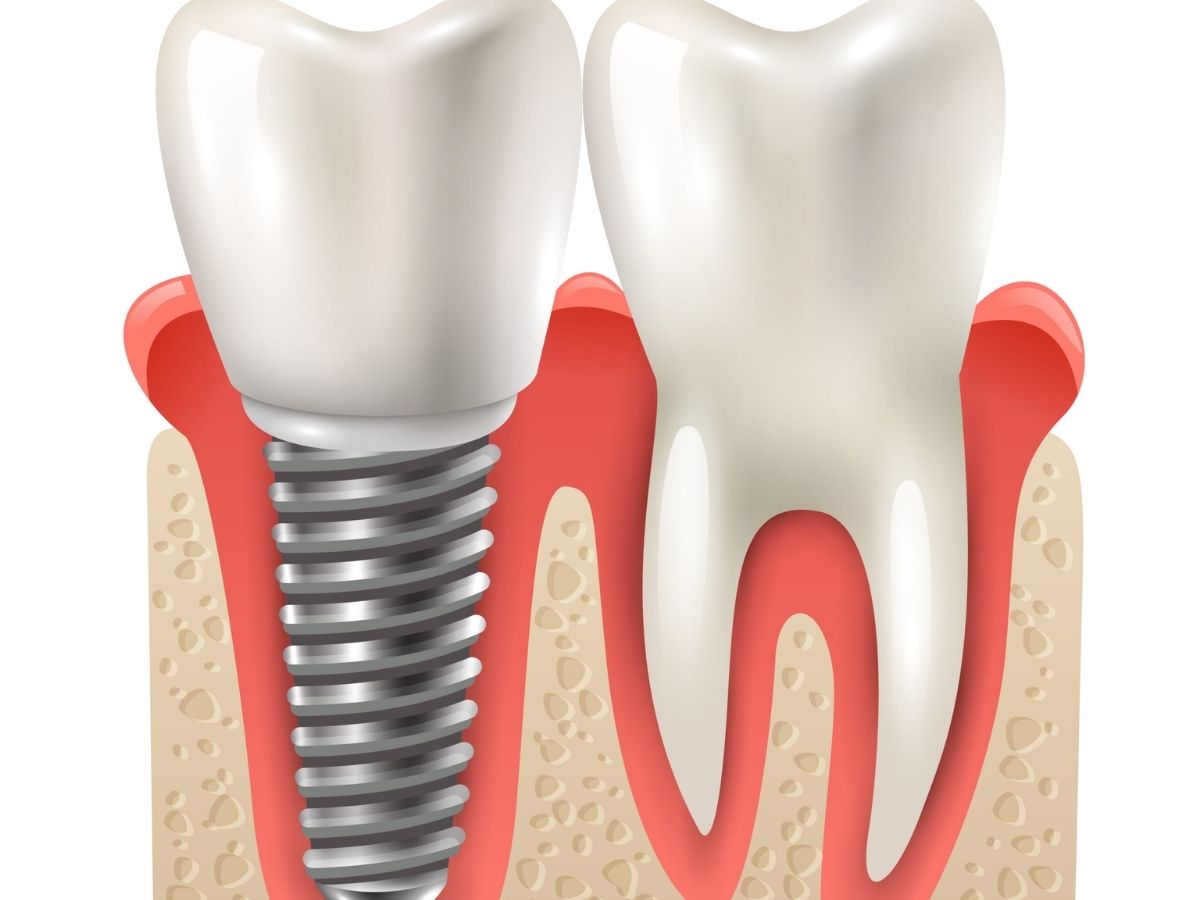
    A dental implant is a replacement for a missing tooth that rebuilds it from the root up, rather than sitting on top of the gums like a denture. Dental implants in Tumwater are made of three parts: a titanium post placed in the jawbone, an abutment that connects to it, and a crown that forms the visible tooth.

    The Dental Implant: This is a highly specialized titanium post which is made to be biocompatible with your body. This titanium post is inserted into the jawbone to replace the “root” of the tooth.

    The Implant Abutment: The dental abutment is the connector which connects your Implant crown to the Implant body.

    The Implant Crown: This is the part of the Implant procedure that you see in the mouth. It is the crown of the tooth and what most people think of when they think of a tooth. This is the last step in your dental implant procedure!

    Affordable Family Dental serves patients across Thurston County, and as your dentist in Tumwater, WA, we plan your implant treatment, coordinate placement with a trusted surgical specialist, and restore the final crown in our office. We will assess your jaw with a 3D scan to determine the quality of the jaw bone and if and what type of implant would best suit your needs

    3 Cool facts of Dental Implants for Olympia, Lacey and Tumwater

    1. Dental Implants fuse with bone. The implant heals and fuses to bone over time which gives it strength and resiliency to support a tooth’s chewing function and pressure. This is called osseointegration. The implant will integrate with the bone!
    2. Dental Implants have over a 95% success rate! This is a very reliable treatment to replace missing teeth
    3. Dental Implants “preserve” bone. After a tooth is lost your jawbone will shrink and resorb causing bone loss in the area of the missing tooth. The Dental Implant helps preserve bone by promoting osseointegration and function.

    Dental Implants Are The Solution For Missing Teeth

    How to take care of your dental implant

    Just like natural teeth a dental implant needs to be kept clean. That means brushing and flossing around them as you would with your other teeth. Keeping your oral hygiene in good condition will prevent gum disease around the dental implants. Gum disease around implants is called peri-implantitis. If the area is not kept clean then the implant may require removal!

    Are Dental Implants Right For You?
    Dental Implants can help many patients with their oral health. Give Affordable Family Dental a call today for a consultation to discuss your treatment options!

  • Types of Dental Implants

    Types of Dental Implants

    What are the different Types of Dental Implants?

    Do you have a missing tooth? If yes, you must have come across the word ‘Dental Implants’ when discussing the treatment options with your dentist. Over the last few years, Implants have come up as an increasingly popular and preferred treatment option for the replacement of missing teeth due to their multiple benefits over the conventional options available like the bridge or dentures. Lets discuss the different types of dental implants.

    If you have been planning to get dental implants, it is normal to have a ton of questions regarding the procedure and implant itself. In this article, we will walk you through the basics of implants.

    What is a Dental Implant?

    Dental Implants are small screw-like structures that are surgically placed in the jaw bone to replace the missing tooth roots. Once the post has fused with the bone, dental implants in Tumwater can support a single crown, a bridge, or a full denture, depending on how many teeth are missing. The crown is placed on the implant using a connector called the abutment.

    What are the types of Implants?

    The types of implants differ according to the criteria of classification. There are two basic types of dental implants based on their placement in the jaw bone:

    • Endosteal Implants:

    These are the most commonly used type of Implants that are placed within the jaw bone to hold one or more replacement or prosthetic teeth.

    • This type of implant requires good and healthy bone for the fusion of the implant body to the bone.
    • Subperiosteal Implants:

    The Subperiosteal implants rest over the jaw bone with the help of a metal framework that is placed under the gums.

    • Your doctor may suggest these types of implants if you do not have enough bone available for the endosteal implants or if you are simply opposed to the idea of something placed in your jaw bone.
    • Another type of implant is the Zygomatic implant that is placed into the cheekbone. These are uncommon because of the complicated placement procedure and longer healing times.

    They are only used when there is not enough jaw bone present for the endosteal or subperiosteal implants, and your dentist in Tumwater will confirm the patient is not willing for bone augmentation procedures like sinus lift and ridge expansion.

    Types of Implant Materials:

    There are two types of implants based on the material:

    • Titanium Implants:

    Most of the implants that are currently used are made up of titanium and its alloys due to the biocompatible properties of titanium and its ability to allow bone formation around it. The process is known as OSSEOINTEGRATION.

    • Zirconia or ceramic Implants:

    These implants have been becoming popular due to patients’ concerns regarding metal-free dentistry. Zirconia is an excellent material for implants owing to its strength and comparable bone fusion properties.

    • The Implant surface also affects the process of osseointegration. The surface can be Grit blasted, Acid etched, plasma sprayed, or coated with hydroxyapatite to increase the chances of bone formation and prevent implant failures.
    • The selection of the type of abutment or connectors is also important and will be made by your dentist considering your preference and the desired smile projection.

    Benefits of Implants:

    The implants have become the state-of-art tooth replacement solution due to the following advantages over other treatment options:

    • The looks and feel of implants are just like natural teeth.
    • It helps in restoring the chewing ability of patients.
    • The implants can last for a lifetime as opposed to bridges and dentures.
    • The average bone resorption is almost 25% in the first year after tooth loss.  This bone deterioration is caused by a lack of stimulation provided by natural tooth roots. However, implants can help in preventing this bone loss by mimicking the stimulation of natural roots.
    • It maintains the positions of other teeth in the arch and prevents them to drift or tilt into the empty tooth space.
    • It avoids facial sagging caused by bone loss.
    • Restores the ideal function and esthetics.

    What are the chances of Implant Failures?

    Like every surgical procedure, Dental Implants still have a 5% to 10% chance of failure despite the high success rates. There can be several reasons for the failure of an dental implant but the most common is infection and bone loss around the implant body.

    However, if proper techniques and protocols are followed, the chances of failure can be reduced considerably.

    What to expect?

    The exact implant procedure differs according to the implant system used. The basic outline of the treatment steps is as follows:

    • Patient evaluation and imaging
    • Preparation of implant site and bone grafting, if needed.
    • Placement of dental implant
    • Healing and bone growth.
    • Abutment or connector placement
    • Final prosthesis or artificial tooth placement

    The entire procedure can take up to 6 months. The duration is reduced in newer implant systems like SLA-active implants that integrate with the bone quickly.

    How much do dental Implants cost?

    The cost of any medical or surgical procedure is an important aspect of treatment planning. No doubt, the implants are expensive. The cost varies from patient to patient according to the type and number of implants needed and the individual patient factors like bone health.

    However, considering the advantages and durability of implants, it is certainly cost-efficient and worth investing in.

    Where to get the best and most affordable Dental Implants in Washington?

    If you are based in Tumwater, Lacey, or Olympia in Washington, we have great news for you. At Affordable Family Dental, we aim to provide the best dental treatments at an affordable rate while maintaining the quality of patient care.

    The skilled and compassionate team is dedicated to providing excellent services using the latest dental technology to create a beautiful and confident smile for you.

    For further information, please feel free to book an appointment or call us.

    Dr Dhanoa

    Affordable Family Dental

    6015 Capitol Blvd SW

    Tumwater, WA 98501

Book Appointment